 I knew when we booked this trip that it would be a bit different from others we have done. “Djibouti, where’s that?” everyone asked. For those of you who aren’t familiar with it, Djibouti is on the East Coast of Africa, bordering Somalia to the South, Ethiopia to the West and Eritrea to the North with its East coast facing into the Gulf of Tadjoura. The country has a population the size of Sheffield and virtually no tourism. Our journey wasn’t straightforward with the original tour operator cancelling, a riot at Addis Ababa airport, a 12 hour delay and a chaotic arrival in Djibouti. However, that is another story and we eventually arrived at our boat for a 6 night stay.
The MY Deli is a Schooner – all wood, no plastic panels in sight, and with some love and care could have been quite glorious but was in fact very basic and unloved. We had done our research and knew not to expect the plush liveaboards of the Red Sea, therefore, it wasn’t a disappointment. The crew were great. Vincent is an excellent skipper and has a genuine desire to look after the Whale Sharks and the reef. The food, like the boat is rather basic but sufficient and plentiful and no dodgy tummies.
We awoke to a new day and ready to put our travels behind us. However, we were not so pleased to find that it was dark, raining and windy – in fact quite miserable. We were about 50 miles from one of the hottest driest places on earth (Lake Assal) and it was raining!! After breakfast we got our kit ready for our first Whale Shark encounter. Two ‘annexes’ with 6 snorkelers on each. We headed along the coast to Arta Beach. The coastline is barren with the exception of a cluster of buildings which reminded me of Nick’s X-Box game, ‘Call of Duty’, and the comparison was well founded as I will explain later.
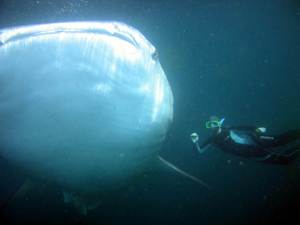
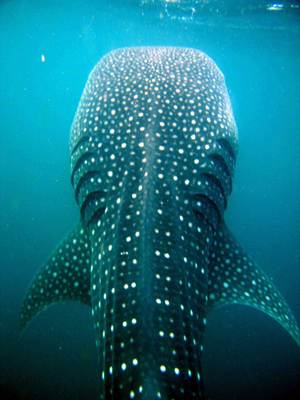
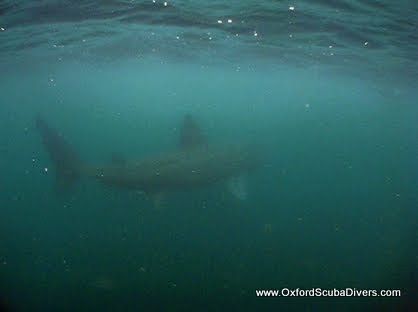
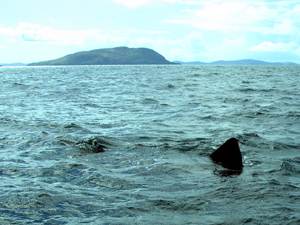
The wind was strong and the swell about 4ft. The rain was stinging our faces. After half an hour up and down the coastline at Arta Beach, without spotting a single Whale Shark I was feeling despondent. Just as we were giving up hope we spotted one and all jumped in for our first glimpse. There she was, my first Whale Shark. She was beautiful, approx 4m long, gliding through the water just below the surface. There were 4 other snorkelers with me – but it didn’t spoil it too much, I had still seen her. We swam alongside her in awe. She was swimming quite fast and we managed to stay with her for a couple of minutes, and that was it, she was gone.
The annexe saw us dropping back and came to pick us up and soon we were speeding off again. We drove round ahead of the Whale Shark and were dropped in again. I was starting to understand how this worked. Soon there were cries of ‘Whale Shark’ from the boat as a couple more were spotted. Each one spotted meant less snorkelers racing after it. Some stayed at the surface for longer than others. Some were swimming faster than others. We hadn’t noticed that the rain had stopped and the sun was shining. We were all so engrossed with these beautiful creatures. On this first excursion I was lucky enough to see 5 Whale Sharks ranging from 4m to 7m in length.
The afternoon excursion started in the sunshine and with higher expectations having seen our first few Whale Sharks. We were not disappointed – numbers 6 to 10 arrived shortly after we got to the site. Numbers 10 to 20 over the next hour or so. It was truly wonderful as we got closer and closer to these magnificent creatures and spent more and more time alone with them. We started to identify individuals by size and markings. One tagged one, one with a bent dorsal fin, one with a fresh mark from a boat propeller, big spots/little spots, dark marks on the tail. Although I estimate that on this first day I had seen 20 individuals, it is very hard to tell as some returned time and again. I did have at least 50 encounters on this first day. This had far exceeded my expectations. There was so much excitement on the boat that evening – how could it possibly get better?
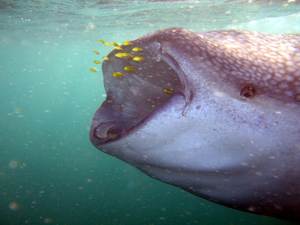
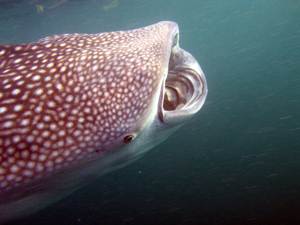 However, it did get better. On day two there were just 4 of us aboard and the cry of ‘Requin Baleine’ (Whale Shark) from our boat handler saw all of us jump straight in. No sooner had we got in the water than another was spotted, and then another. We were all heading in different directions and I was on my own with a 7m Whale Shark. She was swimming very slowly. I had two in view at the same time, then three, four, five – in view at one time. We were surrounded. There were about 20 Whale Sharks all in this concentrated area and they were feeding, mouths open wide moving slowly through the water. I followed the 7m Whale Shark, from time to time another one or two passed by. She was swimming so slowly as she fed I was able to really study her. Her gills were opening and closing, I could see her underside clearly and the muscles moving as she fed. She was becoming more and more upright in the water, now almost vertical and she was turning in a slow circle. We had read about the Whale Sharks feeding in this manner and it was quite different to chasing after them. The four of us spent about 90 minutes in the water with the 20 or so feeding Whale Sharks before eventually heading back for a very late lunch.
 The first dive in the Gulf of Tadjoura really surprised me. The visibility wasn’t good at 10-15m, but I had expected this, it was Whale Shark season and there was a lot of plankton in the water. However, I was completely taken aback at the variety, colour and size of the coral. It was in excellent condition and the variety of fish on the reef was immense. The reports I had read had not prepared me for this and I believe they had completely understated its beauty. So few dive boats operate in Djibouti and it is completely unspoilt. From leaving harbour on Saturday morning and returning on Wednesday afternoon we saw only 3 other boats.
And so it continued. Each day two or 3 dives, each with vis up to 20m, each with beautiful Coral Gardens. I only wished I knew more about the types of Corals and Sponges to describe it better. I enjoyed every dive. The diving was very easy. All but one dive had no current. Maximum depth usually 25m but the majority of life was seen at 10m or less. For those that are really seeking the ‘big stuff’, Djibouti may be disappointing – apart from the Whale Sharks of course. Only 1 large Grey Reef Shark and some very large Grouper spotted all week. Surprisingly, no Manta Rays despite the abundance of plankton. For those who appreciate the diversity of a reef this is an excellent choice. A typical dive included Moray Eels, Lionfish, Blue Spotted Rays, Turtles, Nudibranchs, Napoleon Wrasse and occasionally Octopus, Eagle Rays and large Grouper.
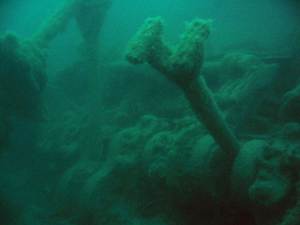
 There were two dives that differed from the rest and are worth mentioning. The first was to ‘The Great Rift’ in Ghoubbet El Karab (The Devil’s Cauldron). I had seen this dive on the BBC ‘Oceans’ programme. The visibility was poor – about 3m, due to the Algae in the water. There was much less life at this location, but it was fascinating to see the point at 35m that the plates had started to part and to follow this up to about 25m where we were able to swim between Africa and Asia and touch both continents at the same time. The other dive was a wreck dive in the middle of the Gulf of Tadjoura at the Isles of Moucha. The wreck is a 135m Cargo Ship named the Ocean Reefer, lying on her side at 25m with the highest point at 10m. The vis here wasn’t too bad, although there was much more current and a rough ride out. Lots and lots of fish – schools of Mackerel and Trevally and an absolutely gigantic Grouper.
Amongst all of this tranquillity of beautiful coral reefs, majestic Whale Sharks and relaxing on the deck of the MY Deli in a sheltered cove there were occasional distractions. For example, mortar bombs, machine guns fire, fighter jets and helicopter gunships!! I was right to compare the cluster of buildings to ‘Call of Duty’ as they turned out to be the training camp for the French Foreign Legion and the bombs and gunfire came from there at fairly frequent intervals. I’m told the jets were an F16 being chased by a MiG and the helicopters were from the French military base nearby.
Would I recommend this trip? Yes definitely, to anyone with a desire to swim with Whale Sharks – this must be the best place on earth. Even on our short trip we have seen more than 50 individual Whale Sharks and had hundreds of encounters. I would also recommend the trip to anyone who wants to see (dive or snorkel) beautiful coral reef and the fish that live on the reef.
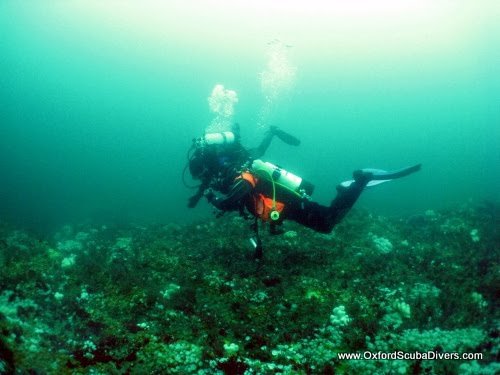
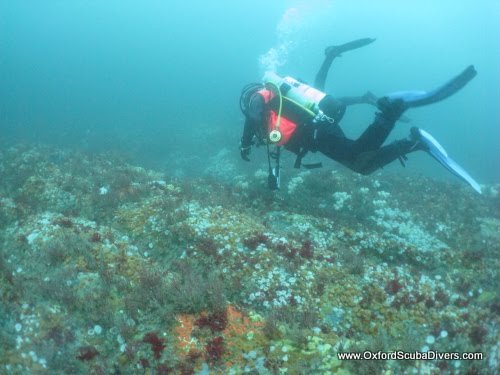
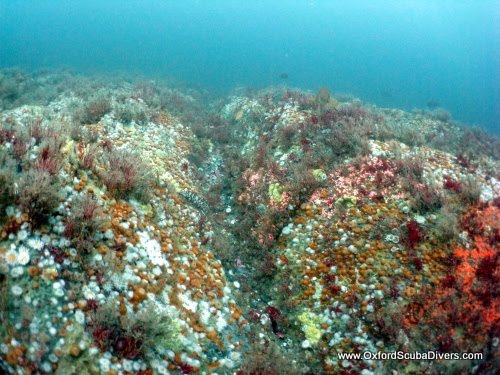
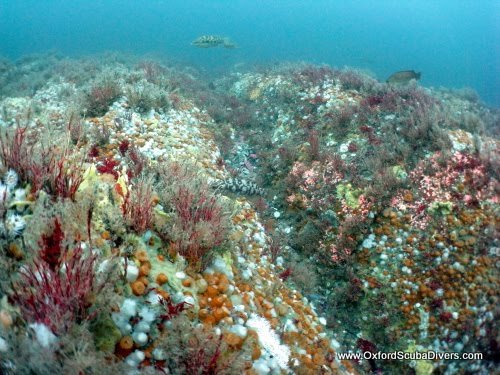
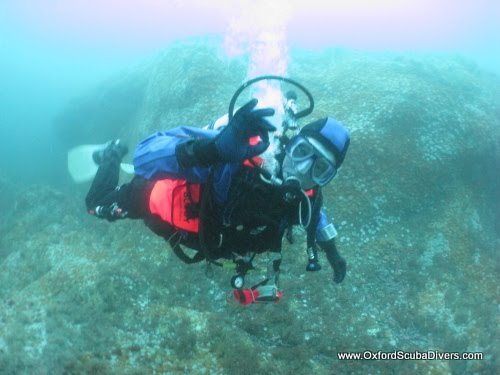
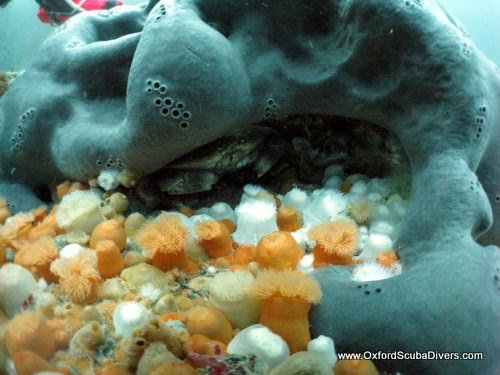
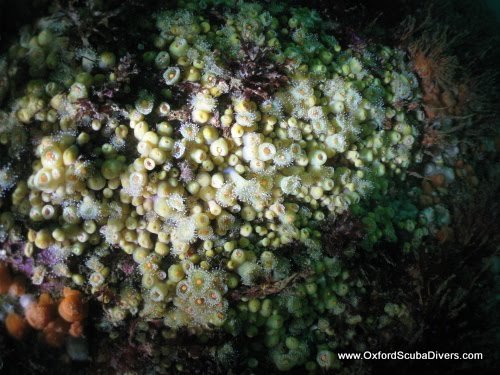
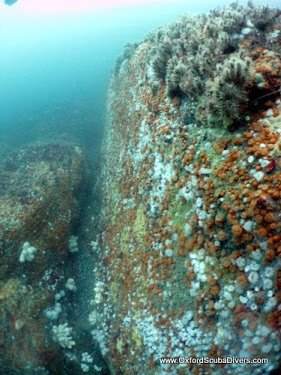
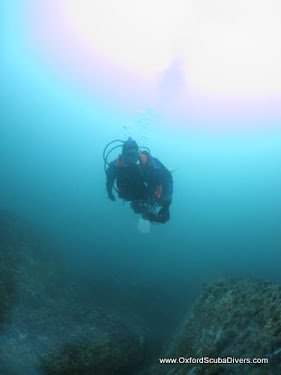
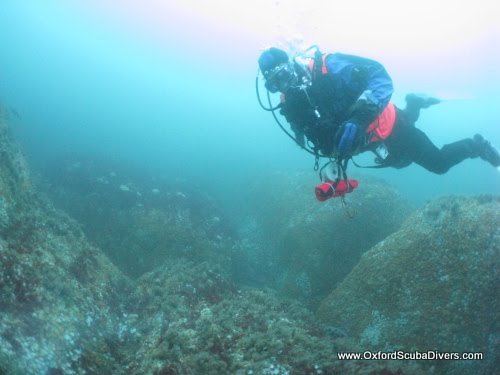
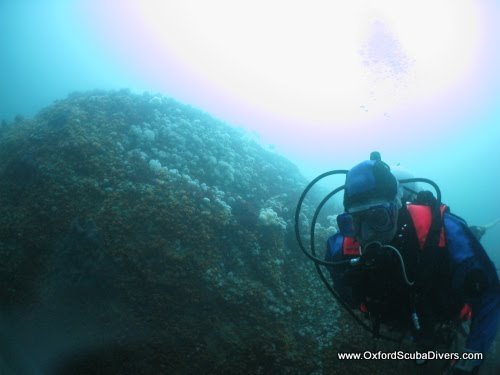
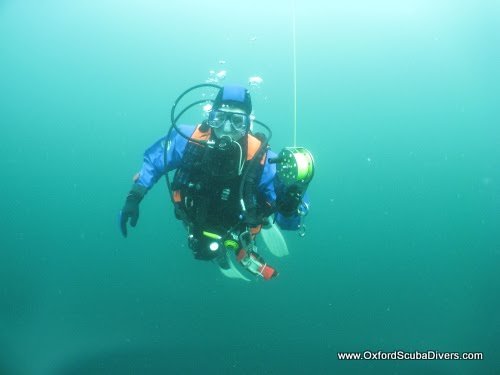
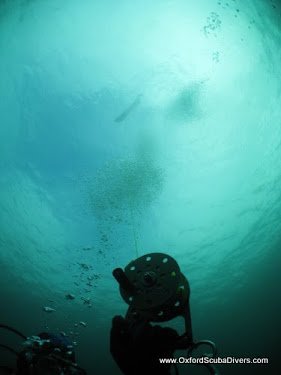
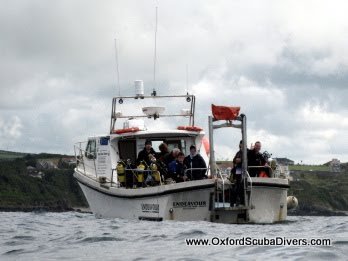
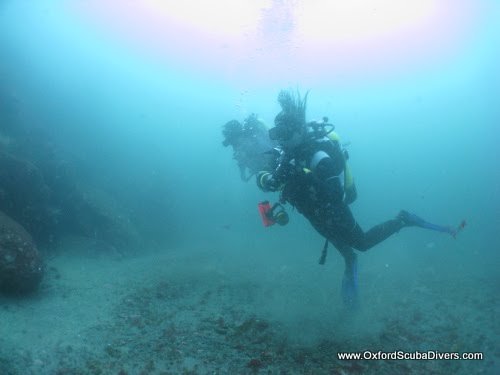
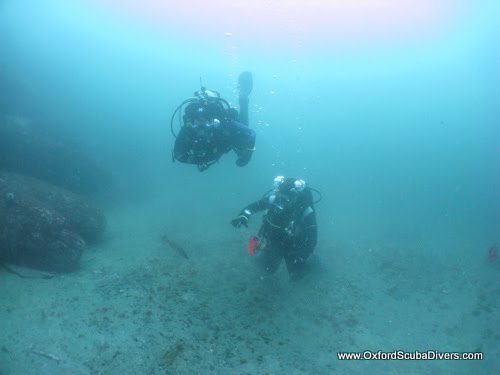
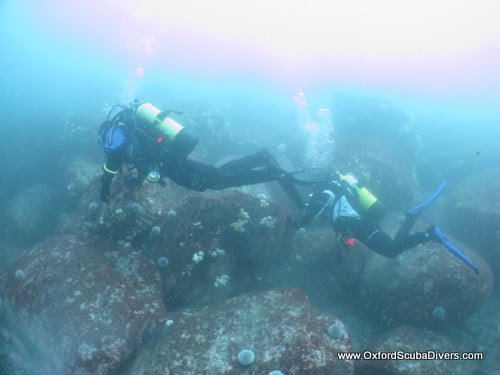
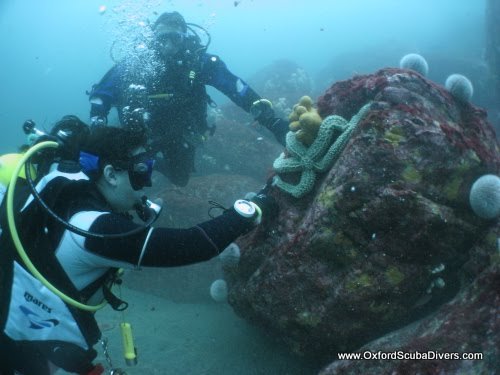
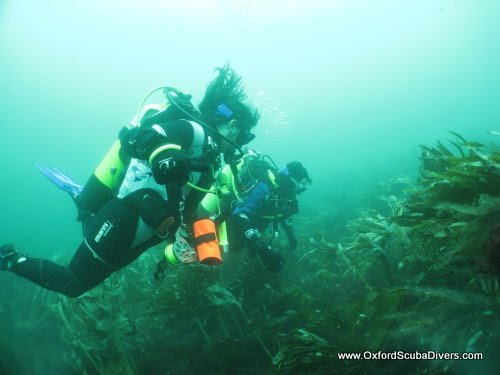
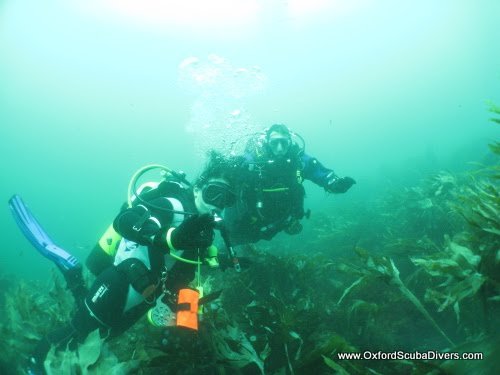
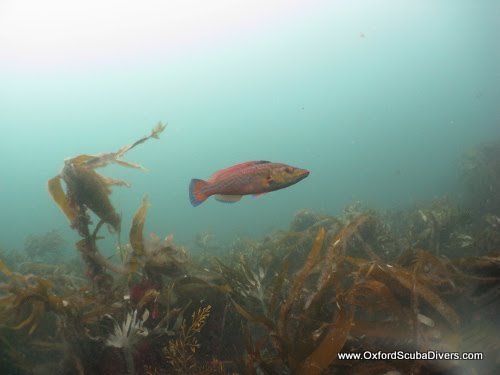
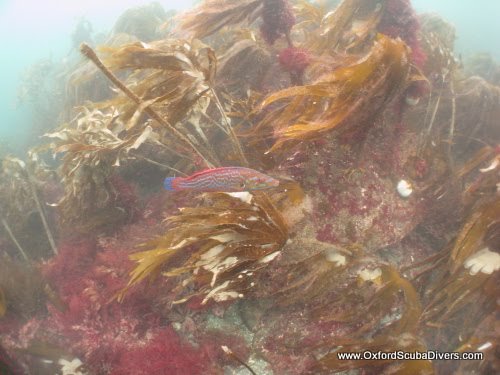
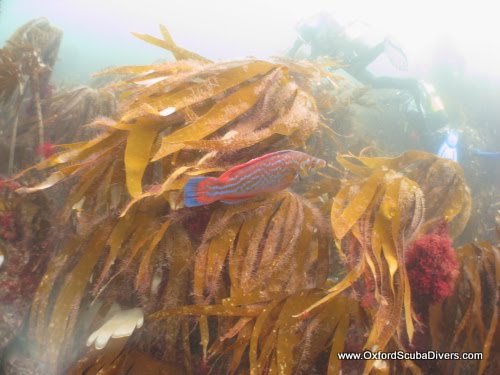
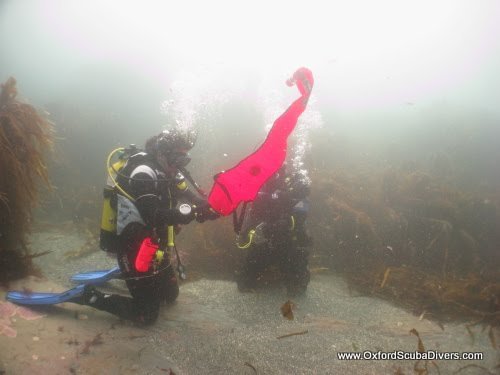
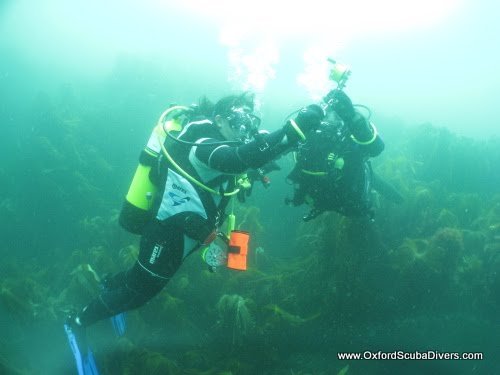
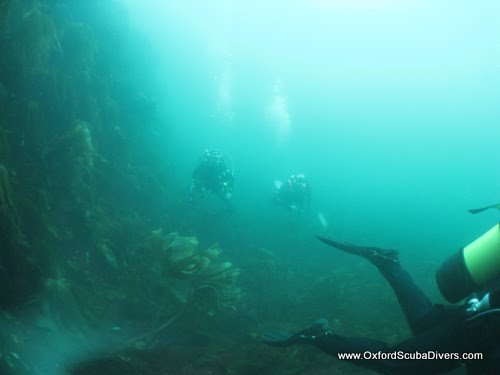
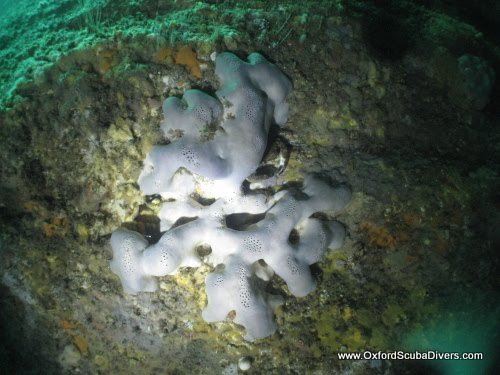
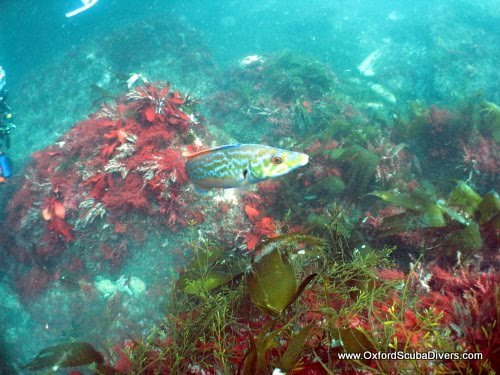
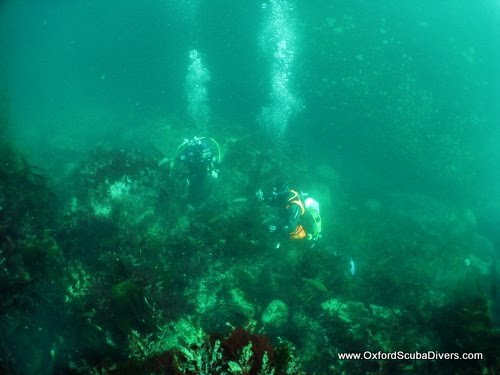
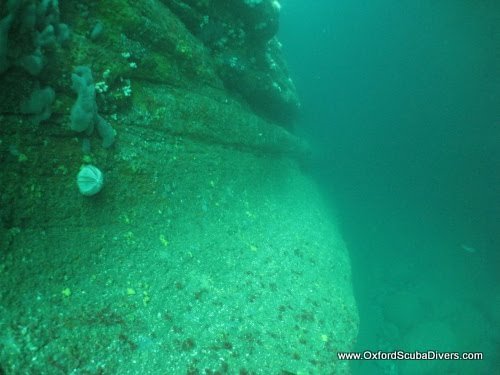
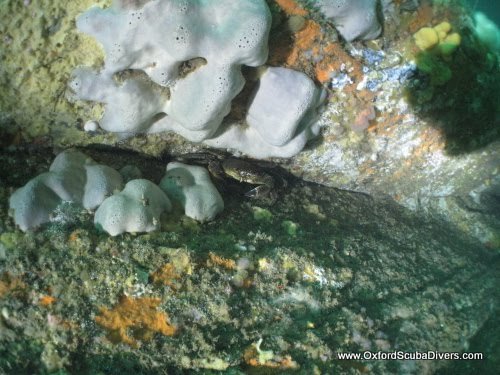
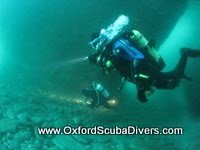
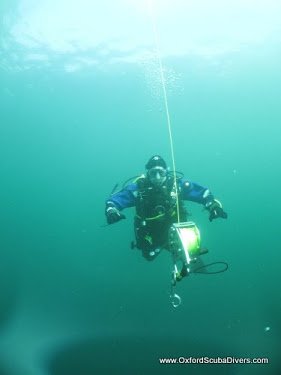
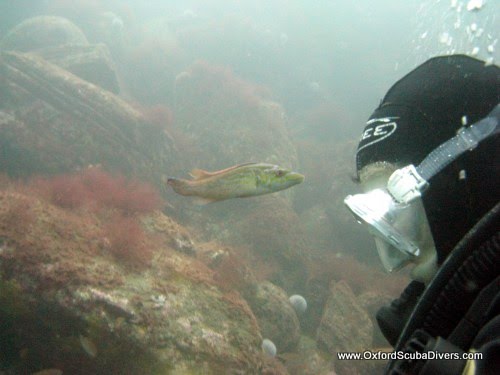
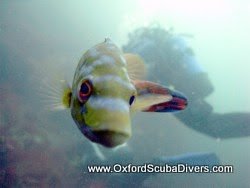
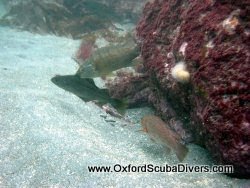
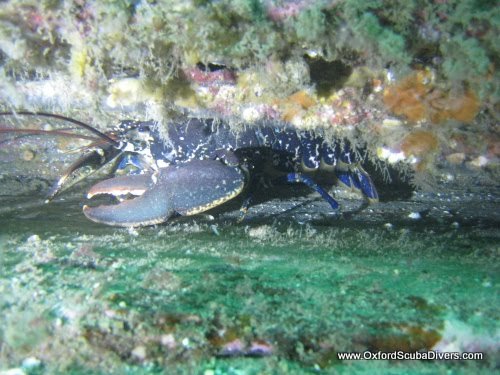
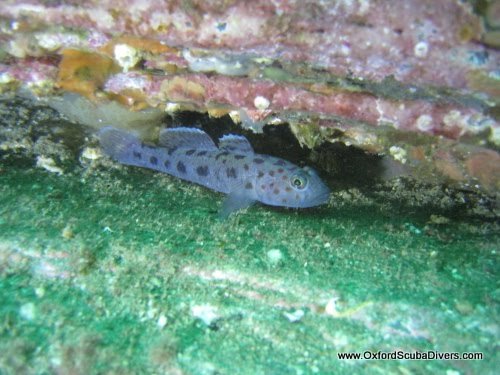
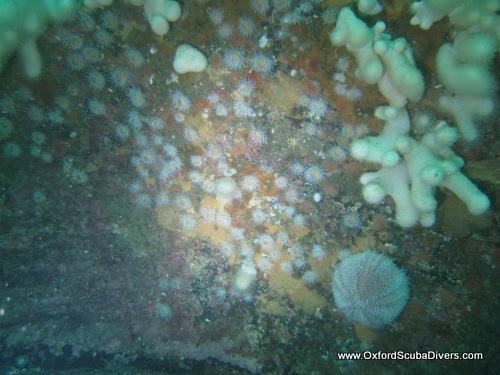
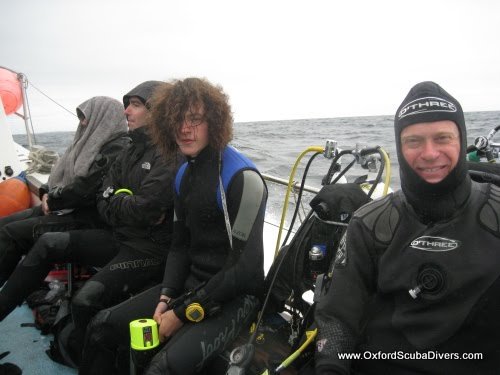
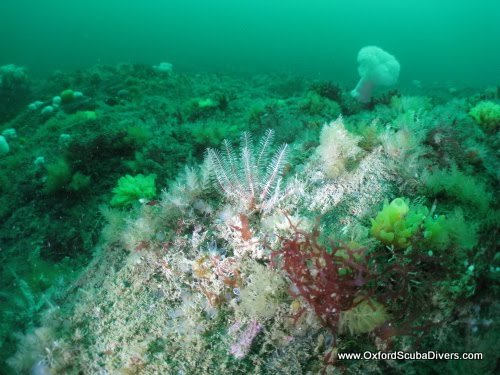
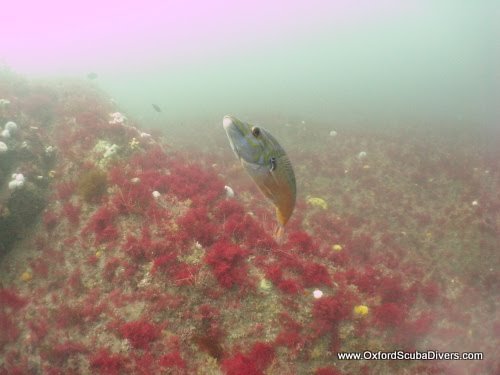
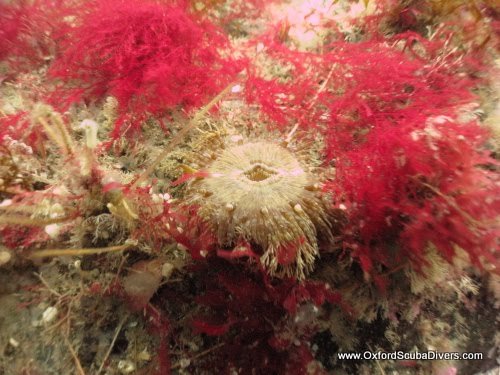
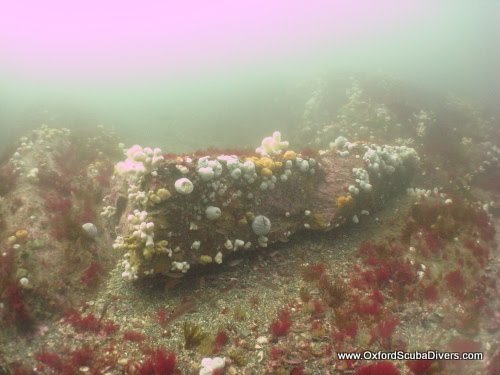
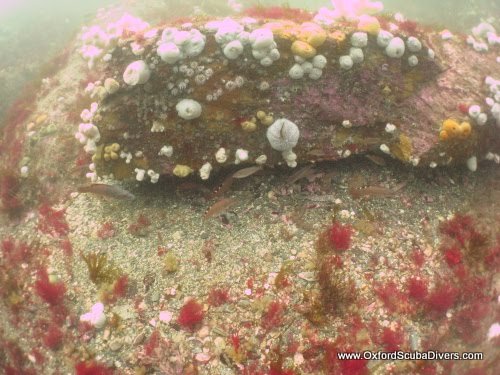
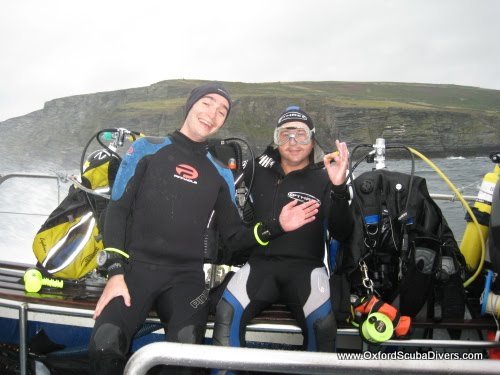
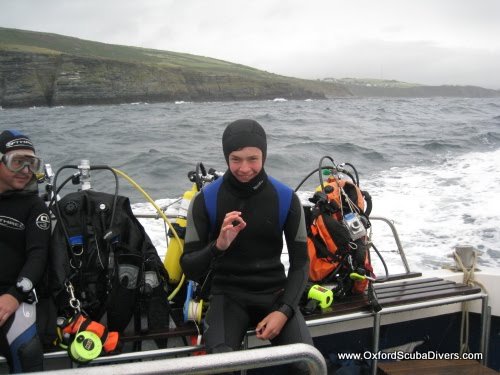
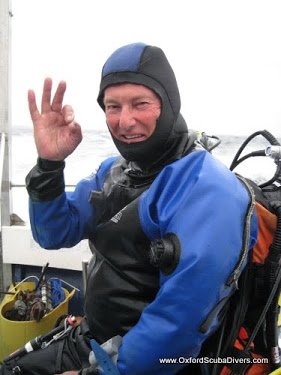
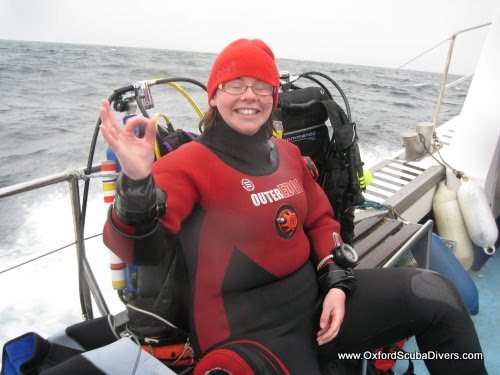
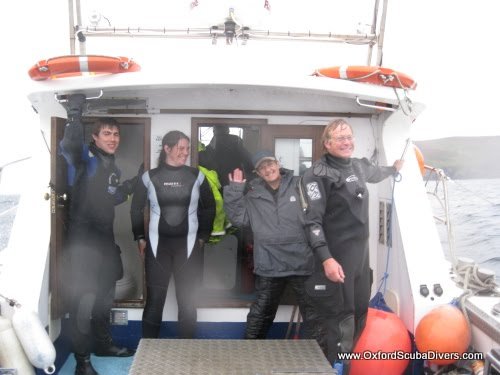
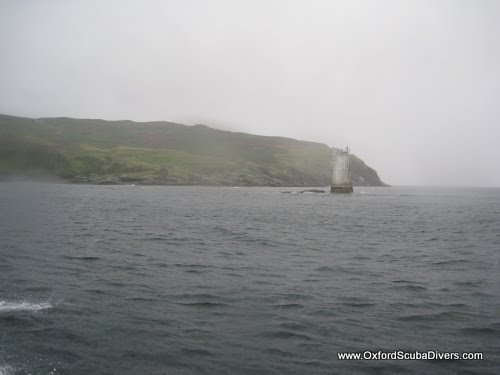
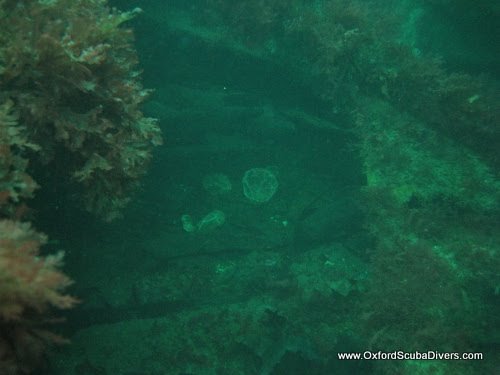
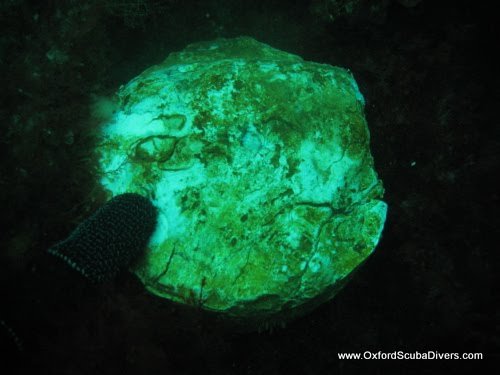
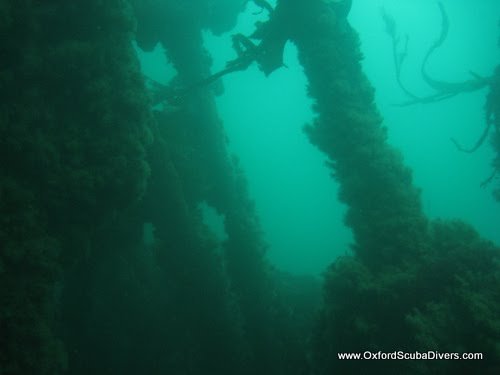
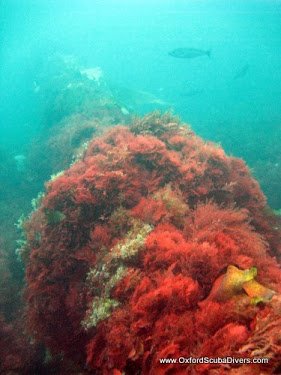
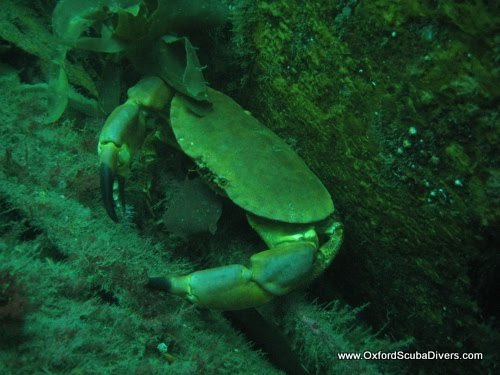
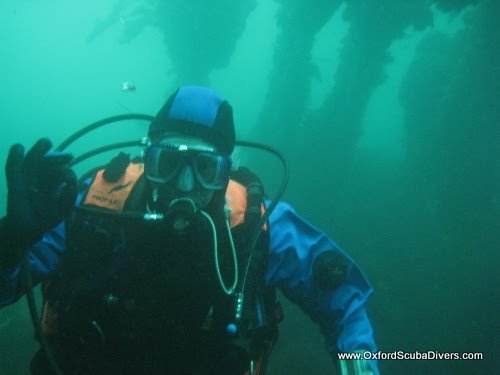
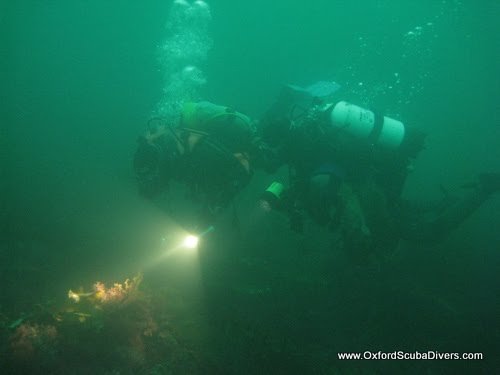
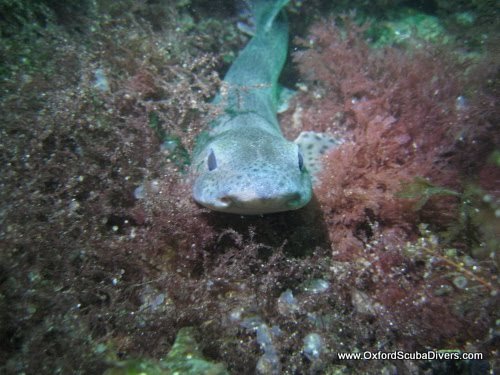
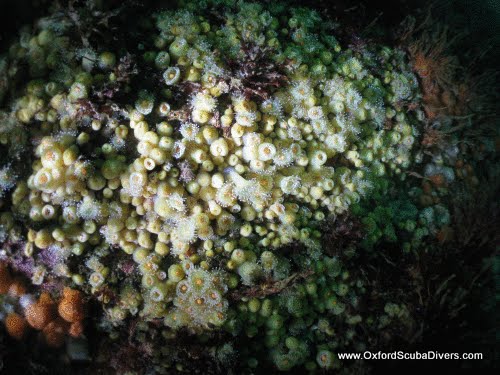
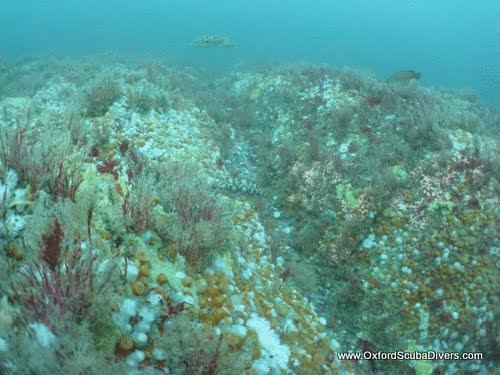
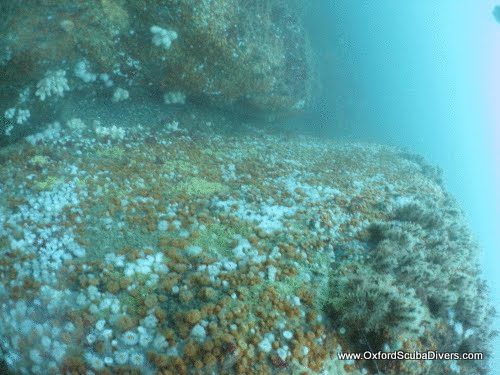
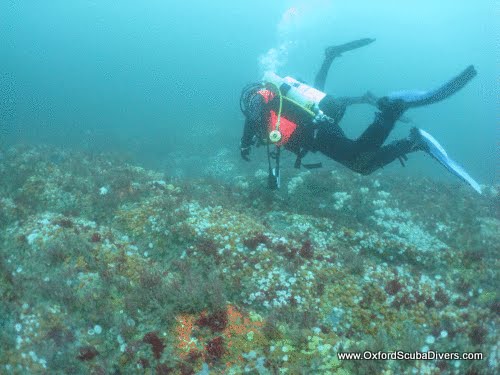
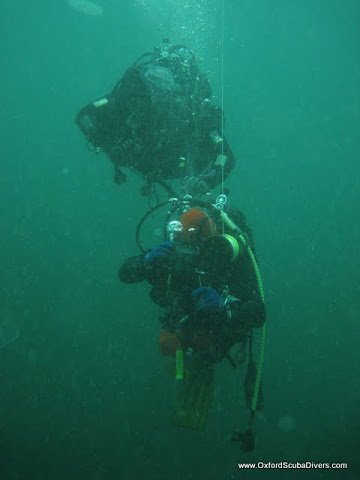
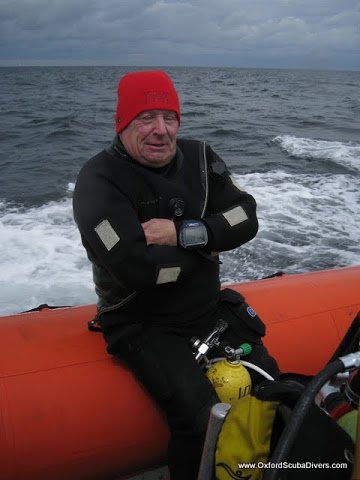
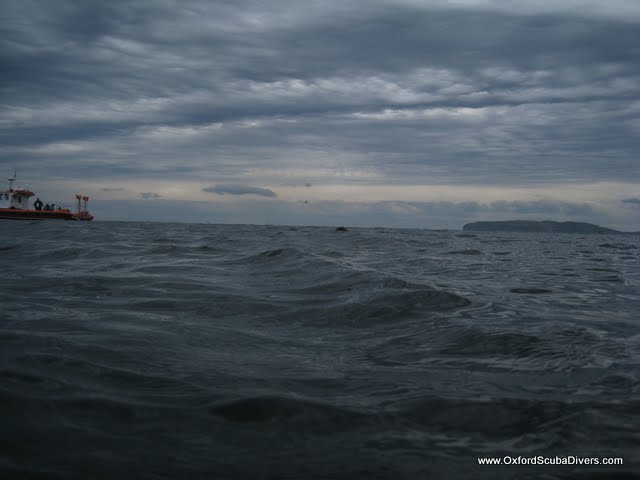
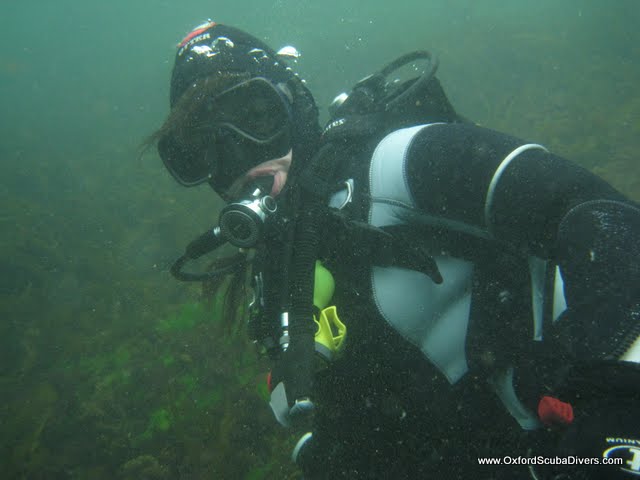
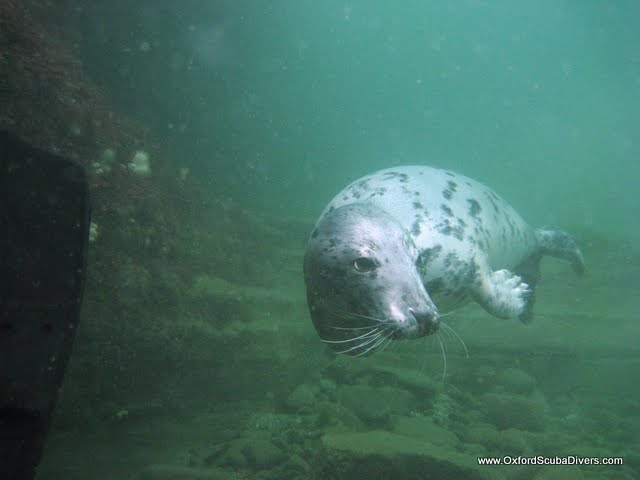
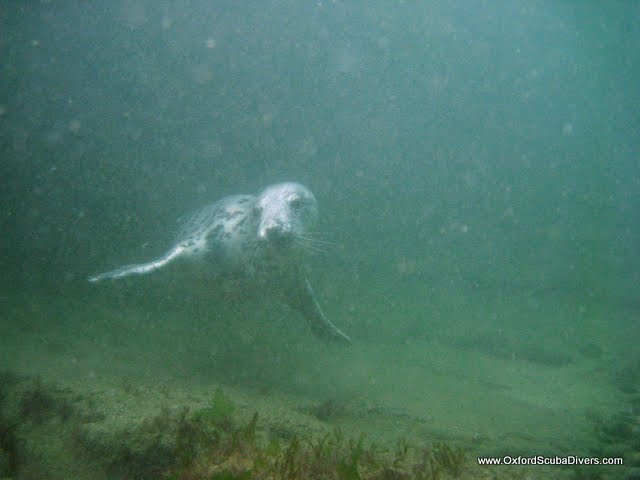
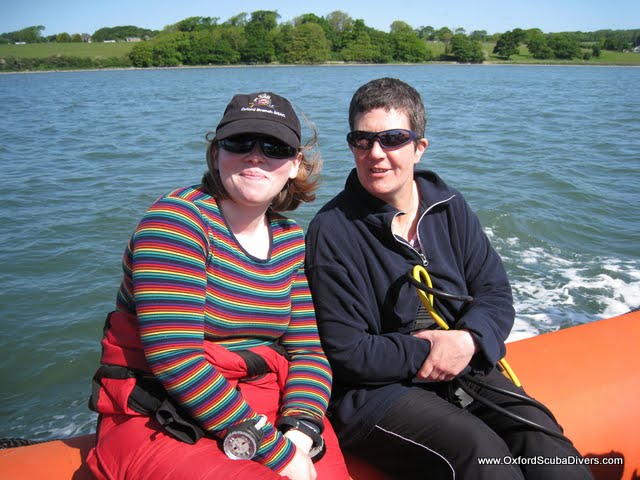
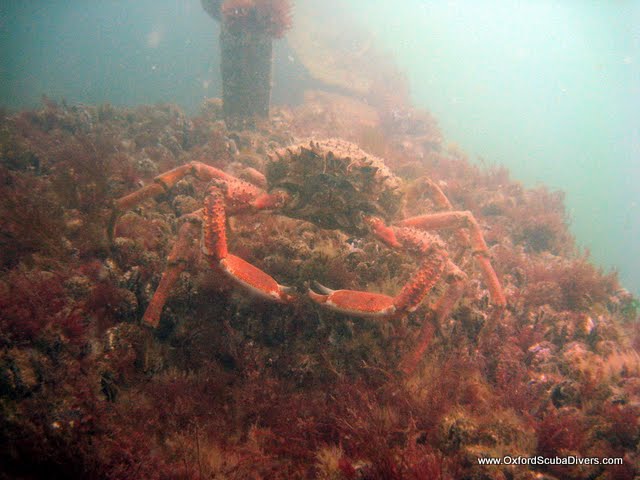
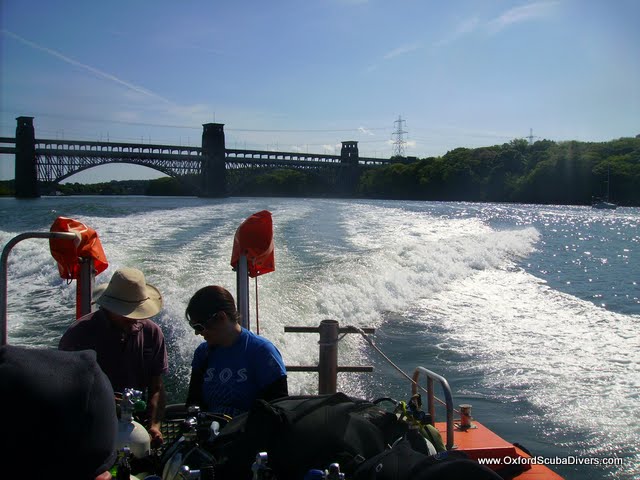
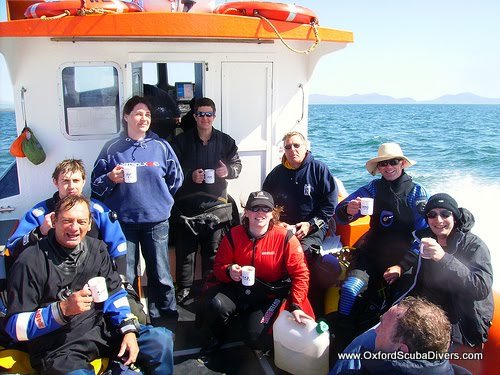
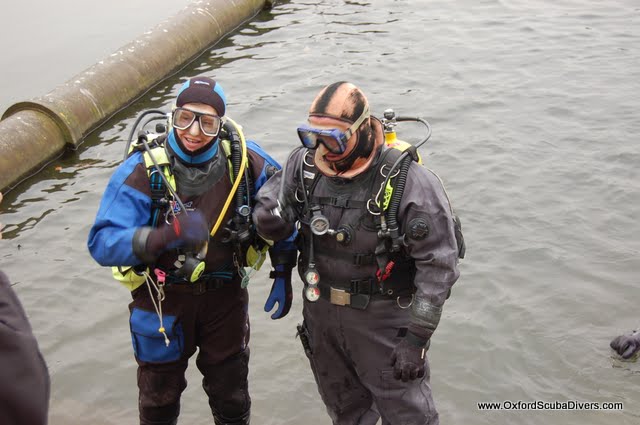
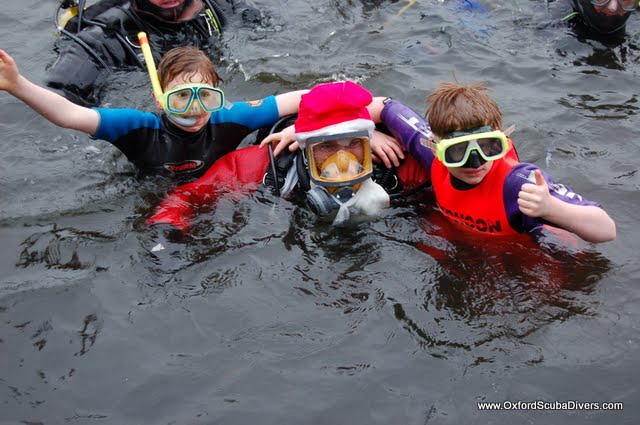
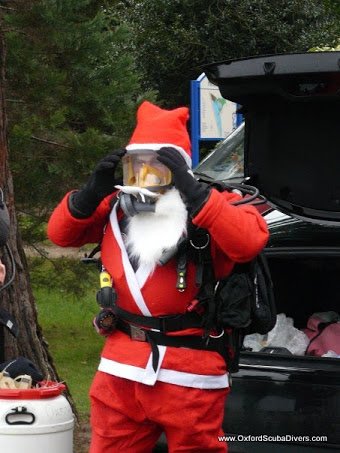
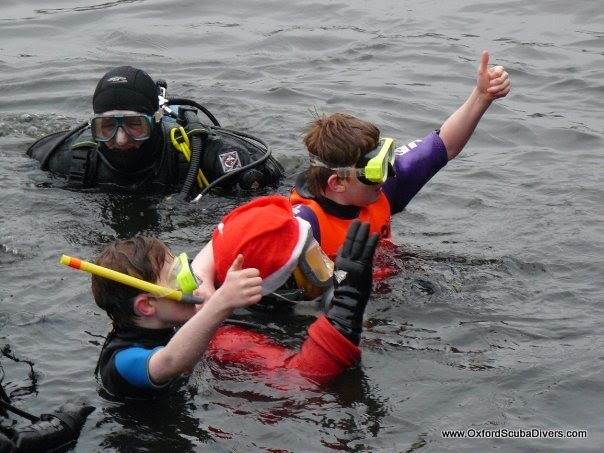
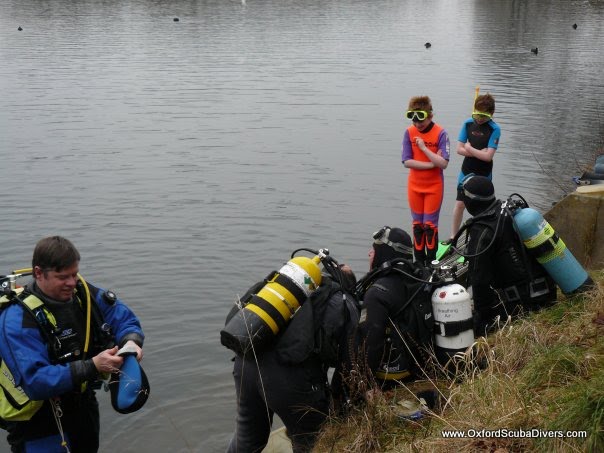
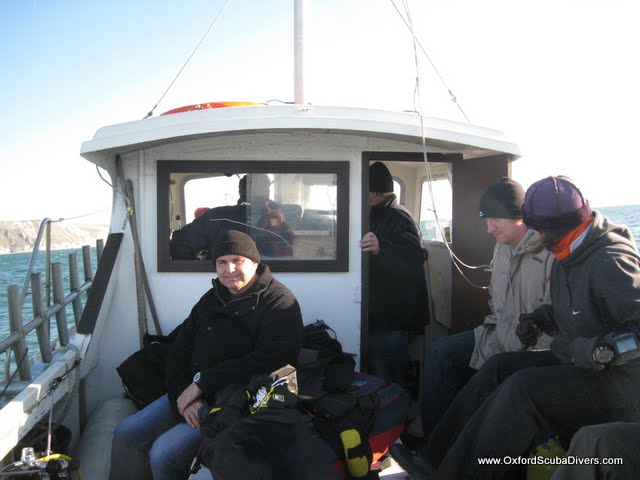
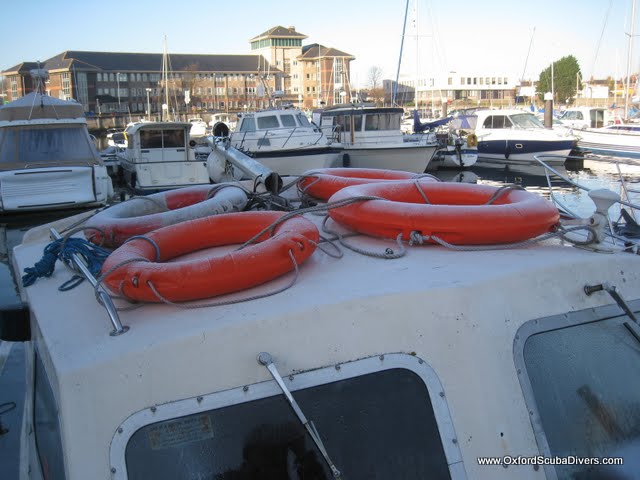
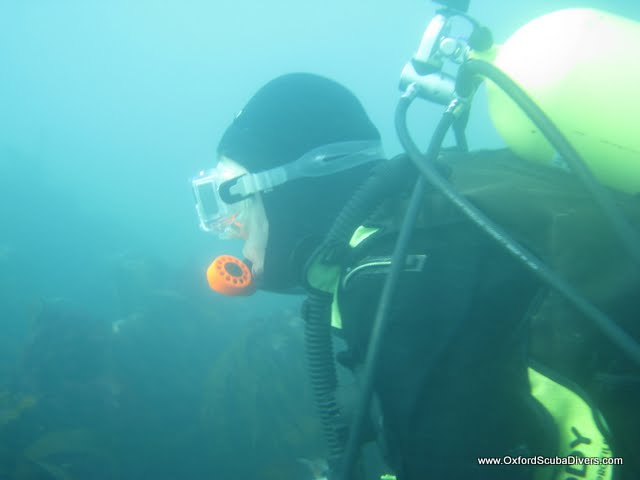
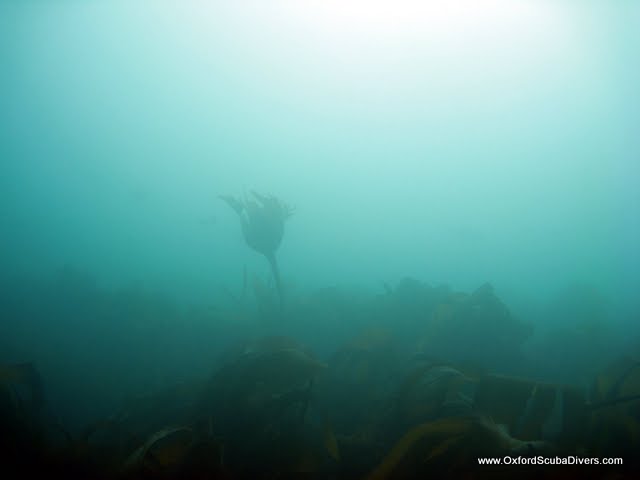
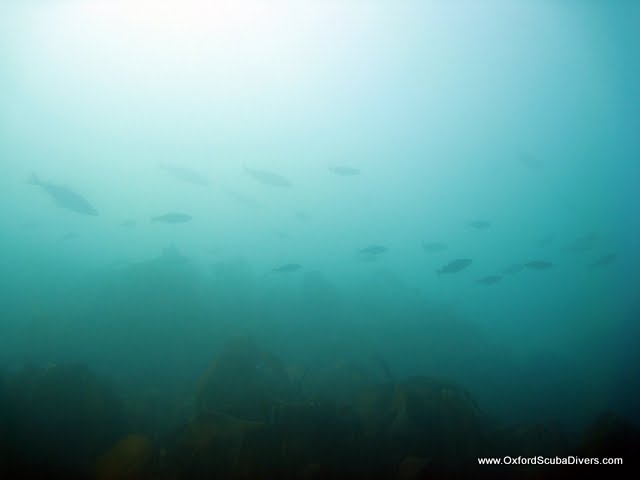
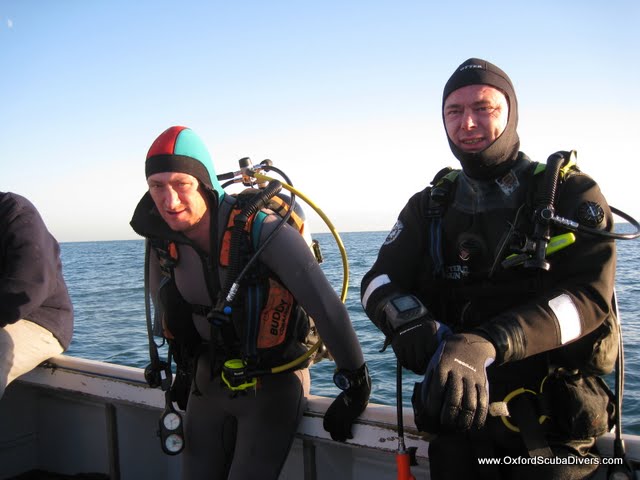
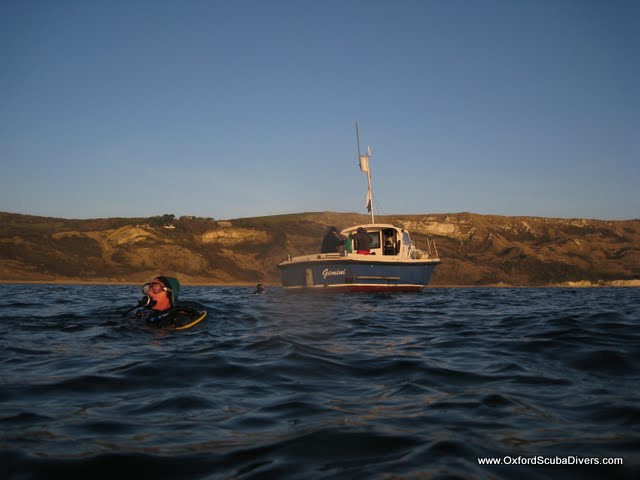
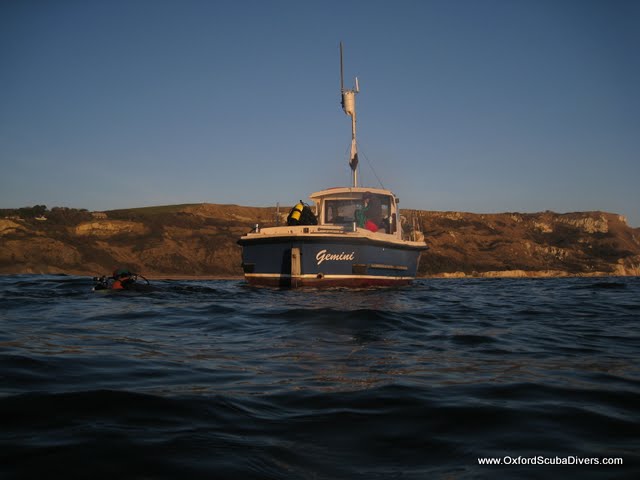
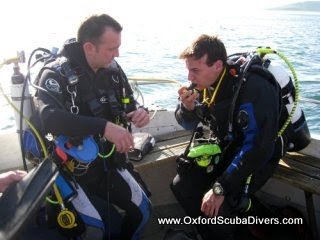
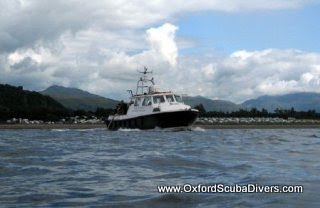
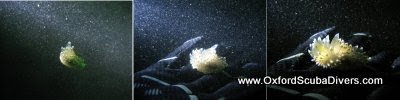
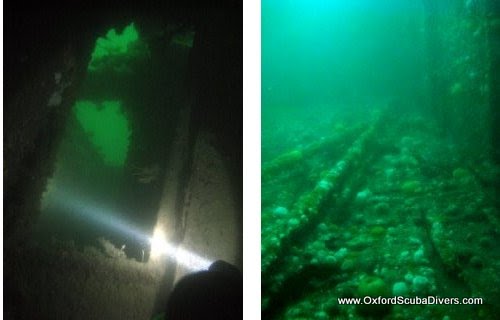
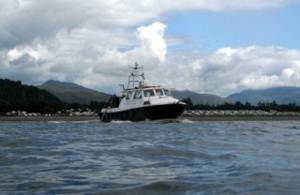 The first day of diving dawned with the TV saying that the weather everywhere else was awful (but we had a nice blue sky with fluffy clouds – the only place in the UK that was good weather all week in fact.
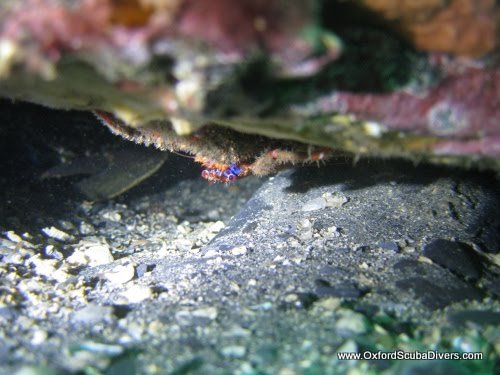
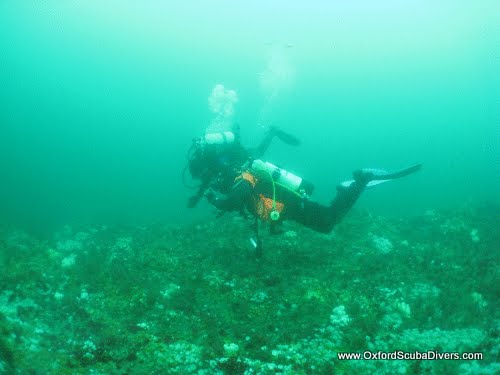
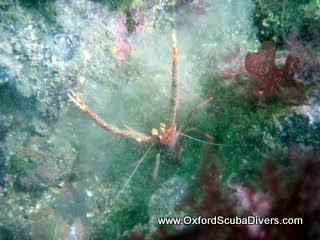
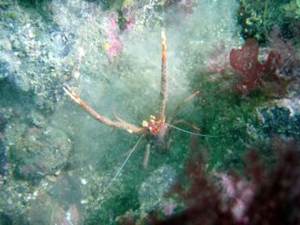 First dive was a scenic dive on the drop off just on the point to the south of Lochaline – Ardtornish point. Good vis, and a rocky seabed totally dominated by squat lobsters which were quite annoyed when we moved their rocky homes around Good marine life dive and not a bad warmup. Some people warmed up at 19m and a few others (mostly of the Waterhouse clan) did a warmup to 29m…..
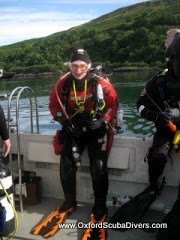
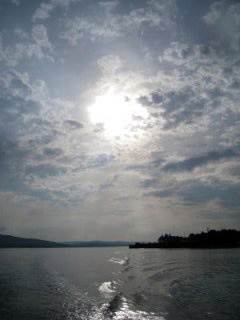 standing upright is a joy in itself.
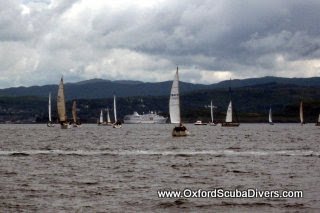
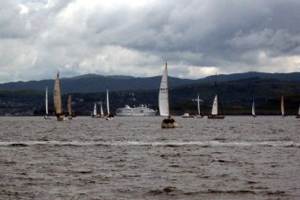 Dive times on the wreck were fairly long as there is a lot of explore – mostly in excess of 45 minutes. On returning from the dive we headed back up the sound past a veritable armada of sails – some kind of regatta was going on.
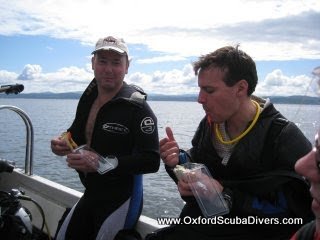
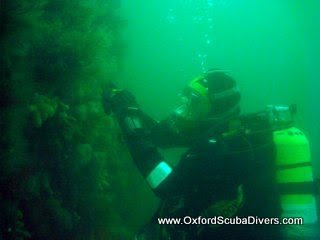
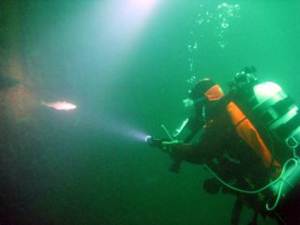 After this fantastic (long, deep) dive we headed off to the picturesque town of Tobermory where the ‘dry’ party (and Richard who’s suit died the day before) met us for fish and chips. Following a very relaxed surface interval during which we were all roasted alive due to the hot sun being totally incompatible with hanging about in thinsulate undersuits, we leaped back into the boat and headed for the Calve island sound which offers what diver magazine calls ‘one of the UK’s best wall dives”. It doesn’t disappoint. As a treatment for near fatal heat and sunstroke it was ideal. A god long drift past walls covered in life. Phil and Oliver even managed to find a pair of scuba scissors near one end so they came home in profit!
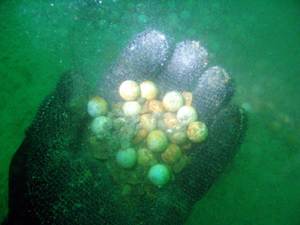
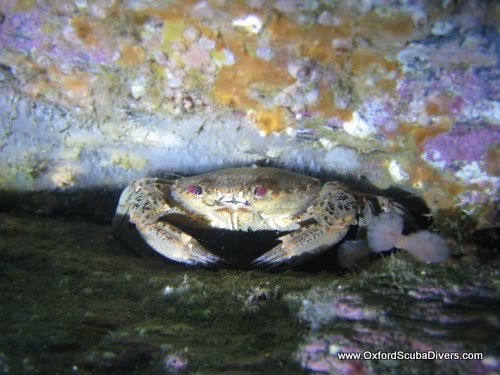
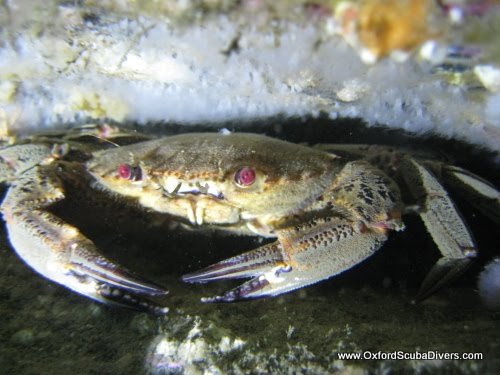
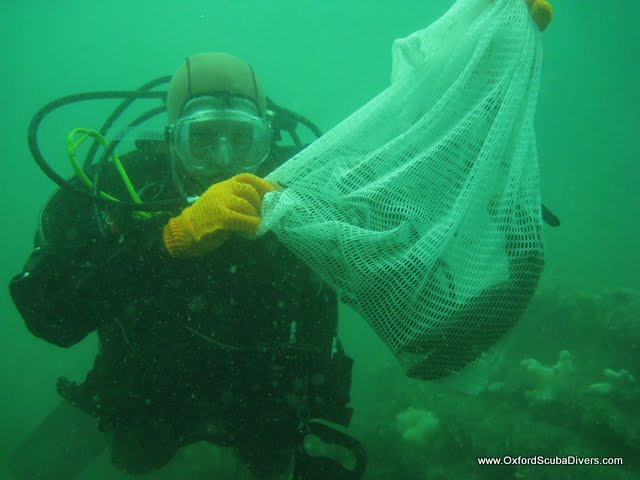
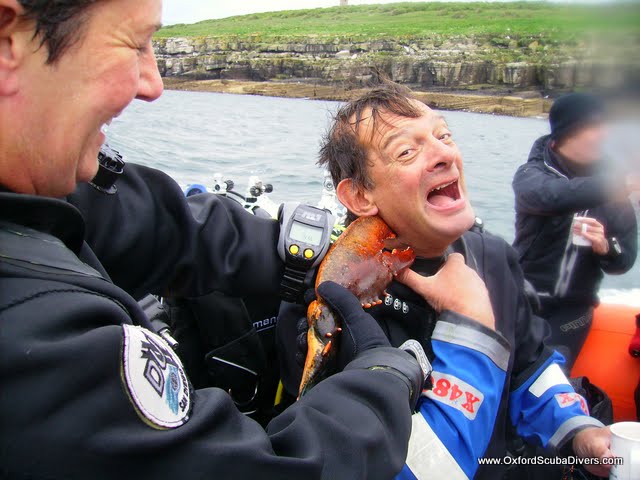
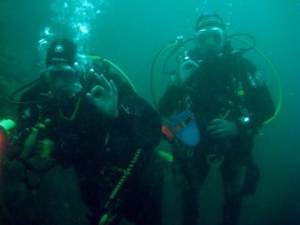 After the previous evenings planning session had resulted in the ‘BBQ plan’ being adopted we persuaded the skipper to put us in for a third dive to shop for dinner. He was a little skeptical about the chances of finding scallops and crabs but gave us the benefit of the doubt and put us in at Kilundine bay. There was little current, and depths of only 17m so not ideal for scallops you’d think. Clearly we all did think that and when we all returned we discovered that we all thought we’d been the only ones finding scallops – the boat groaned under the load of 5 goodie bags full! Three unlucky crabs also found themselves introduced to the MV Brendan”s decks. Fortunately the dry party had stocked up in advance on one shot BBQs and we had a huge scallop crab, sausage and chop feast that evening. Having spent a cumulative 2.5 hours underwater that day we were all a big tired and mostly retired to bed (or sofa in Stu and Karen’s case) quite early whilst the ‘techie divers’ (John, Steve and Brian) sat up at the kitchen table planning their descent and conquest of tomorrows target – the Rondo….
 The Rondo is probably the strangest of the 5 wrecks laid on a very steep slope with her stern and rudder at about 5m and her bows buried in the seabed at 53m. She’s kind of like diving a wall made of ship! As this was an opportunity for the techie divers to ply their trade and see the bow they went in as a threesome and the rest of us visited the midships region. All went well although the 25mins of decompression was apparently a bit boring. Most of the rest of us passed them on the way up.
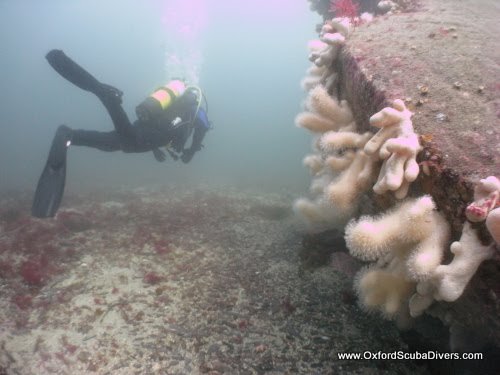
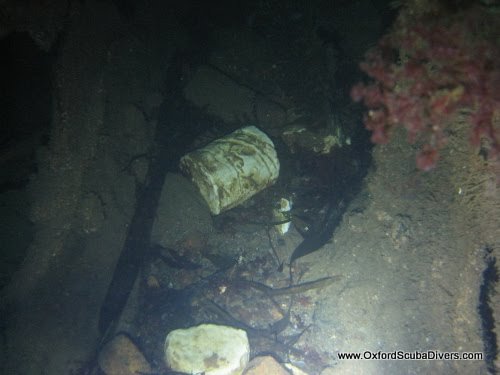
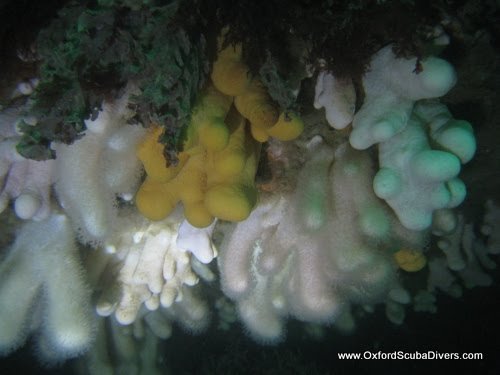
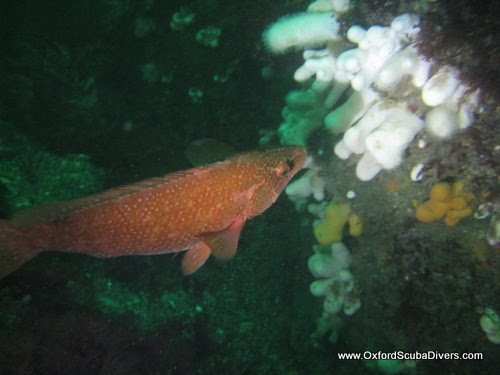
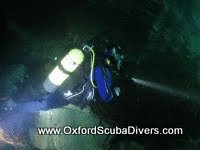
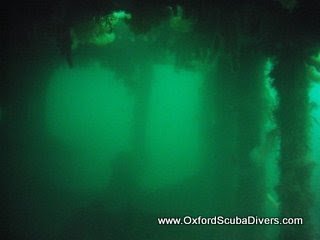
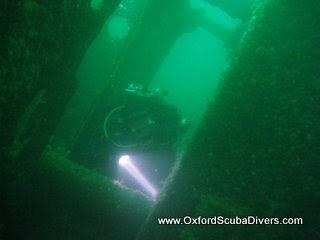
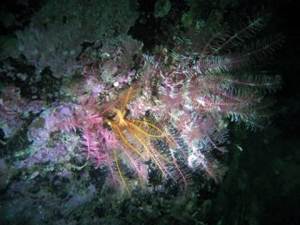
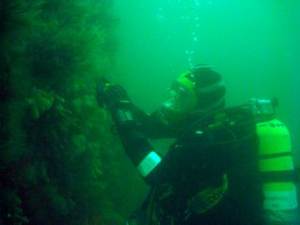 Second dive of the day was off to yet another big wreck: The wreck of the Thesis. This was a lovely site, the wreck intact and upright on the seabed absolutely covered with dead man’s fingers – it reminded me of all the rabbit ears in ‘Revenge of the Were rabbit’. Sadly Richard’s suit chose this dive to fail yet again so he had to sit most of it out (whilst drying himself out) but the rest of us had a very good time around the wreck with lost of opportunities for penetration. Steve got really excited as we entered the smallest room in the bow and had to show us a nudibranch he’d found! Poor thing was nearly frazzled by his 50W HID torch though.
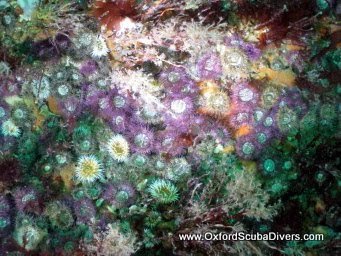
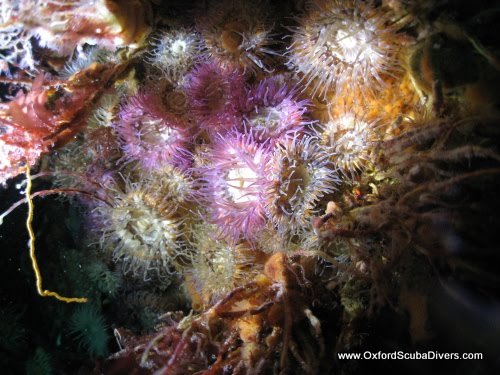
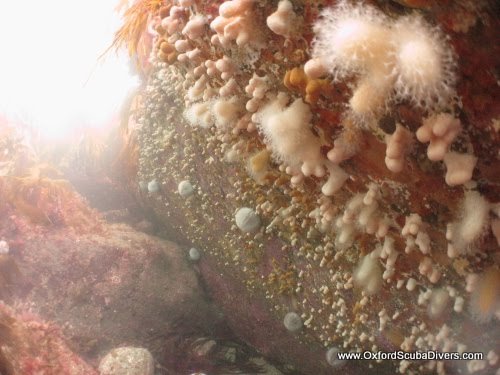
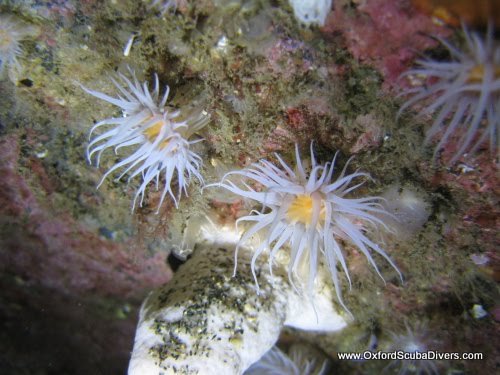
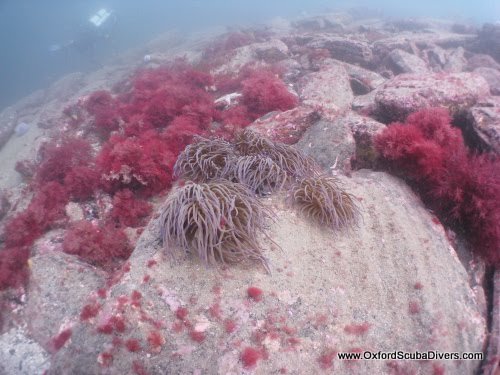
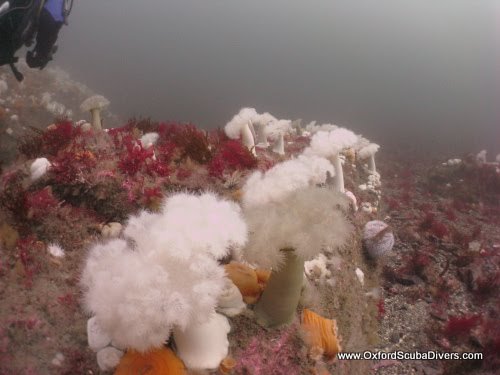
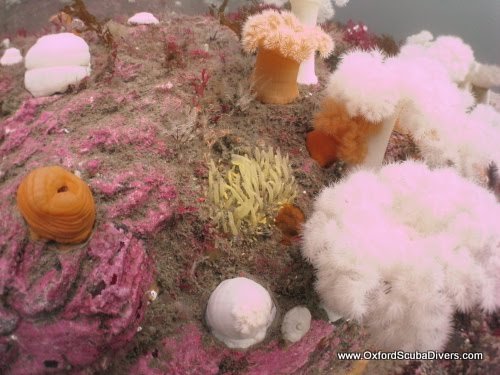
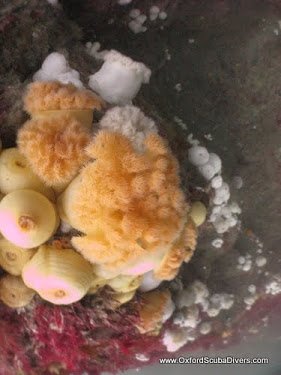
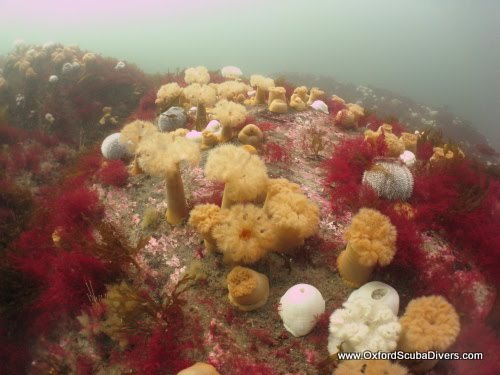
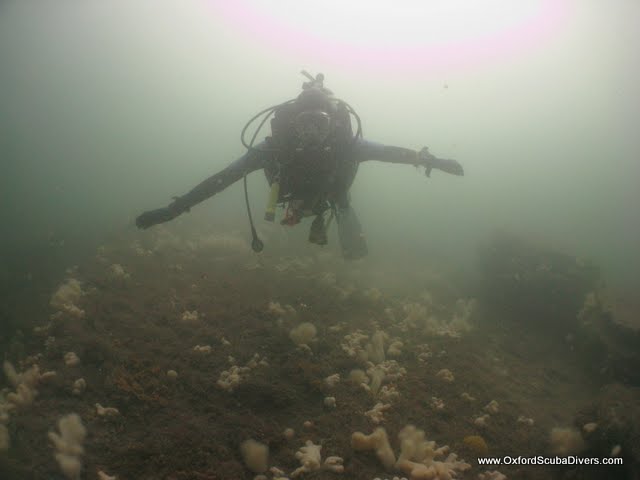
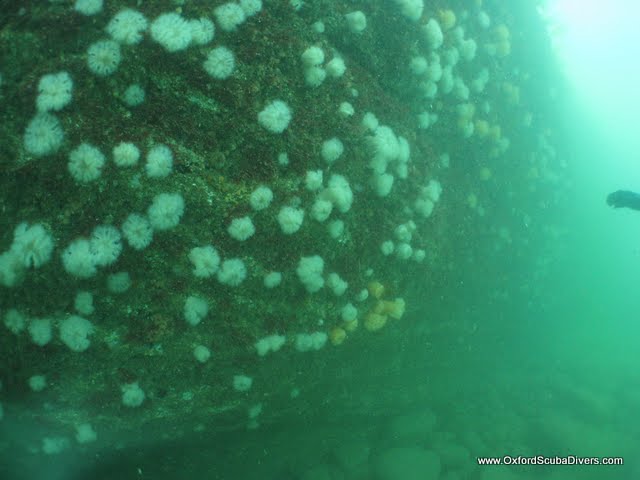
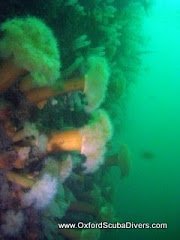
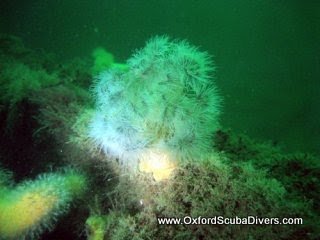
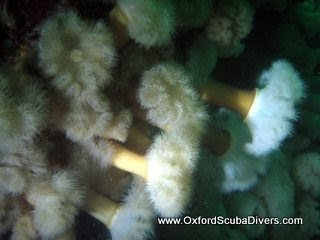
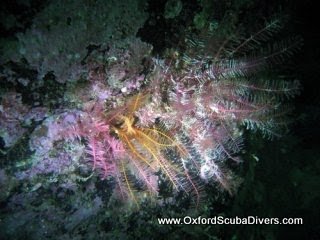
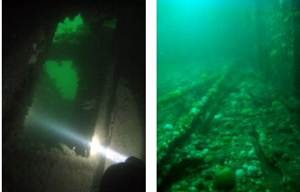 The surface of the wreck shows strong evidence of why it’s so intact – everything is covered by plumose anemones – big ones. The nearest comparison I can come up with is the Thistlegorm on the Red Sea. Yes – it’s that good.
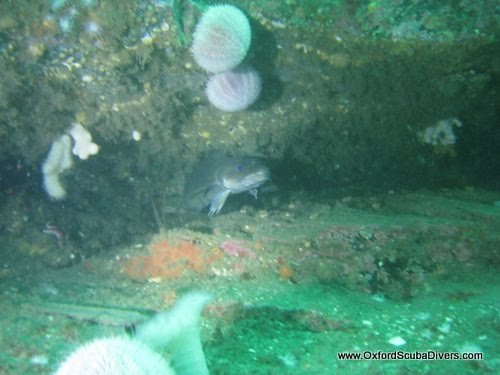
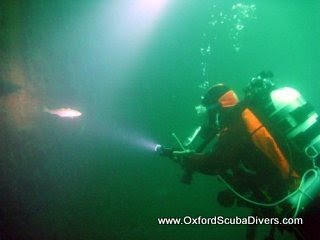
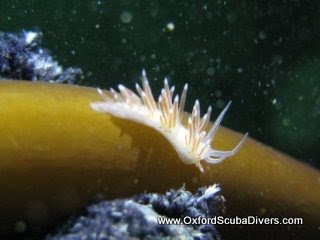
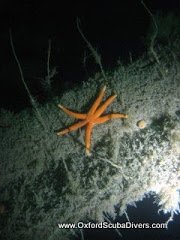
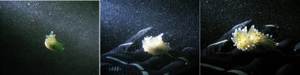 Second dive that day was a drift alongside the Grey rocks – lots of kelp and small cod. Steve and Sarah went on a serious nudibranch hunt, and Kerrie and I followed them rescuing the poor things once they’d been blinded by Steve’s torch. Kerrie got quite expert at catching the displaced Gastropods…..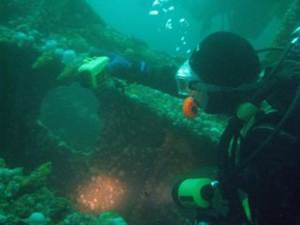
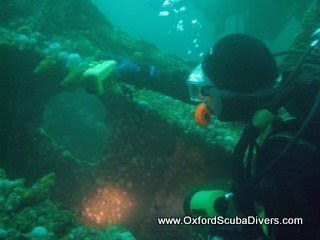
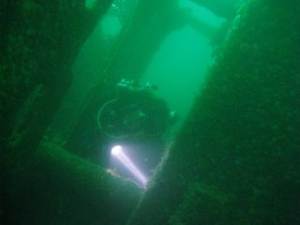 Final day of diving dawned bight and sunny and we got out to Hispania again (where the skipper was again annoyed to discover misbehaving tides). The second dive on Hispania was just as good as the first and several buddy pairs entered the wreck and explored the interior.
 Returning to Harbor we got our kit together and cleared the decks ready to leave on Saturday. For the first time I had a skipper congratulating me on the skills and ablilities of our divers – he said “The next lot won’t get half the dives you did – they’re never going to be that good at kitting up and I don’t fancy their chances in a current” We must have impressed him after all!
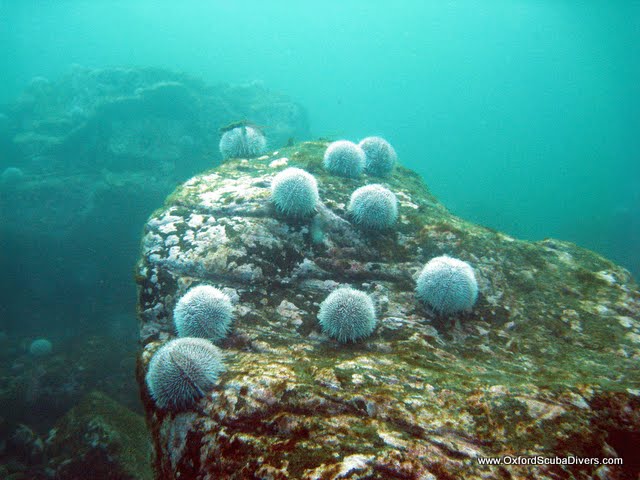
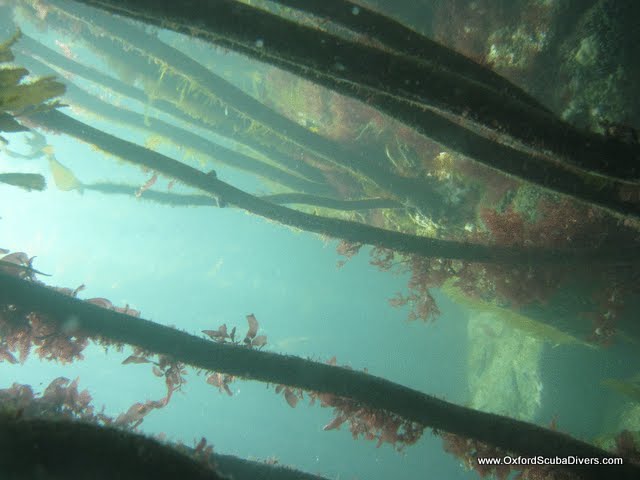
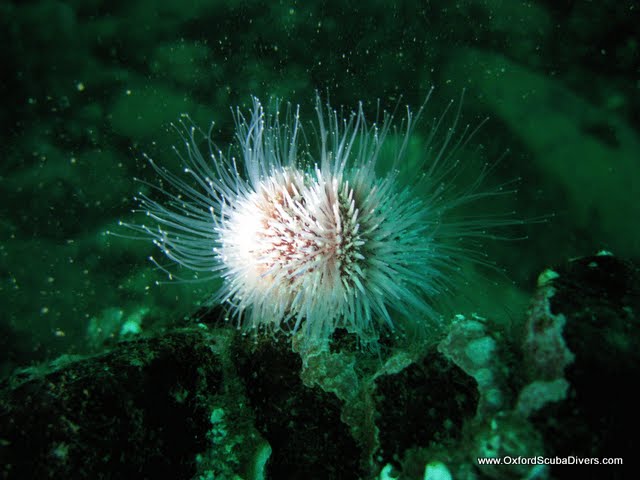

 Thanks to Brian’s excellent organisation we arrived after the long trip (4 hour drive overnight from oxford to wales, ferry crossing to ireland, another 3.5 hours of drive across Ireland) to find our acomodation for the week – a very nice house with soft beds and a big lounge, open fireplace and very good kitchen. We all moved in and went off to find dinner in the local pub – very nice.
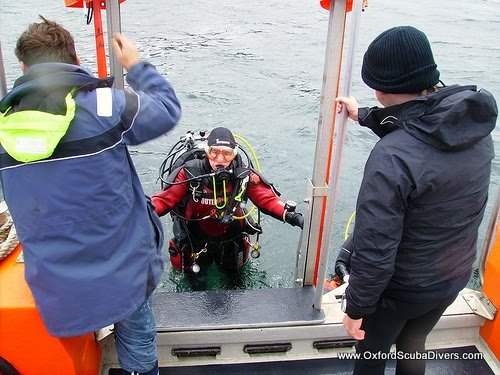
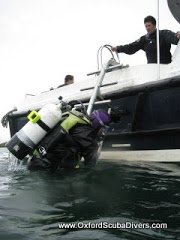
 off platform at the rear but this was accessed via a climb over the rail – not easy with a twinset on…. returning to the boat was also a little tricky – there was a nice ladder beloww the waterline at the rear – but alas it ended just above the waterline leaving one rather unstably trying to get one’s leg over onto the platform. After a lot of moaning from the group an extra handhold appeared halfway through the week which improved things a little.
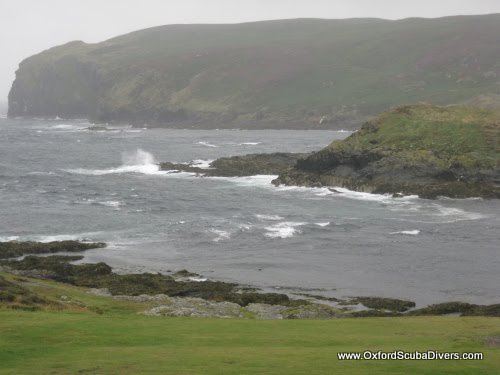
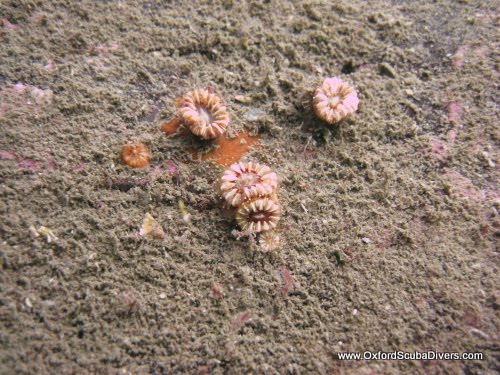
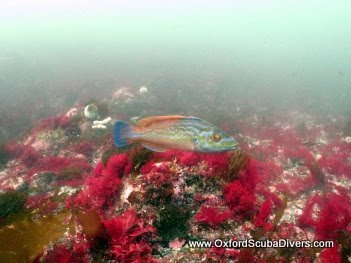
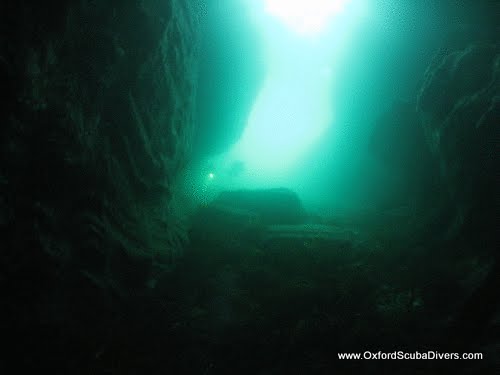
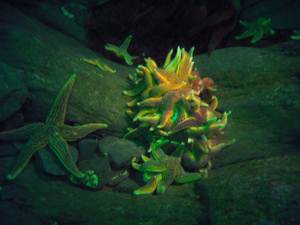 We dived 5 days, two dives a day and had a day off midweek. Sadly weather was not the best and we were unable to dive on the skelligs most days but restricted to ‘local diving’ which was excellent so no complaints there. On two days we did get out to the Islands and had a very nice dive in the cave which lies just below the helicopter pad on Skellig Michael. Several of us came out around the cave and found a very pretty pinnacle covered in jewel anemones and dead man’s fingers out at the edge of the dropoff. On or second trip out to the islands we were unlucky as the skipper missed the tide and dropped us onto a very nice wall dive in a 2 knot race. One lucky buddy pair found the wall but mst got to 40m an found no seabed before aborting their dive. the lucky pair reported a very nice wall going past a warp speed, a brief spot of gardening to free their DSMB from the kelp and some very large fish. Good vis too.
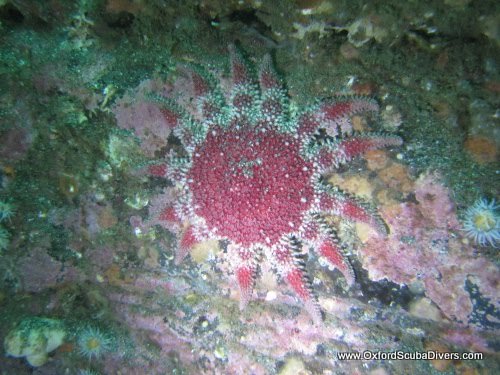
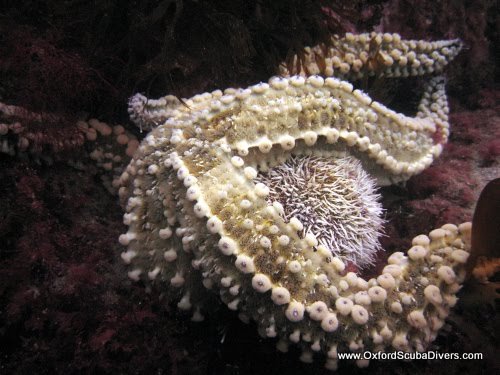
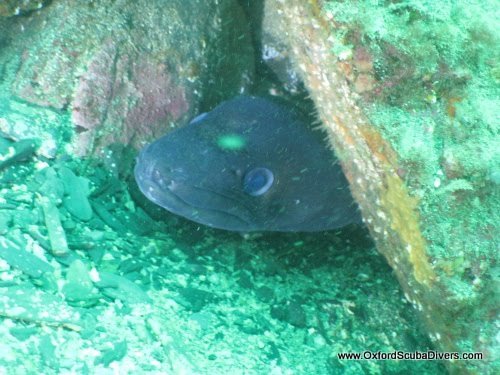
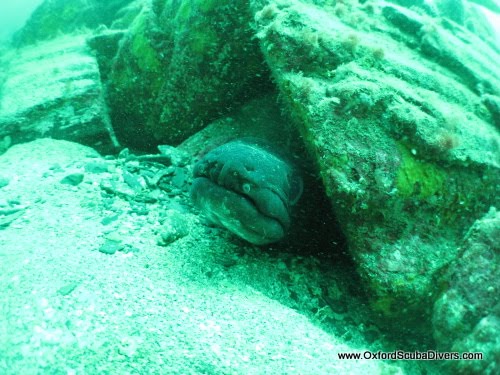
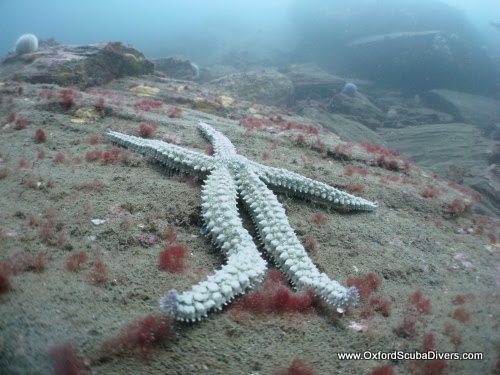
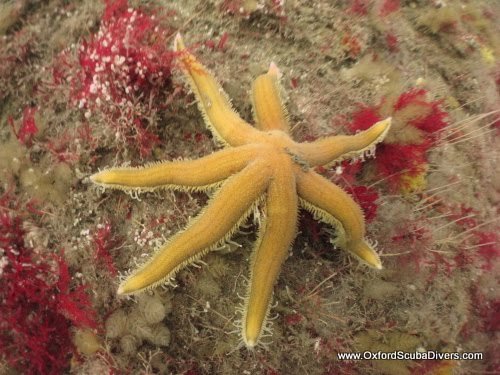
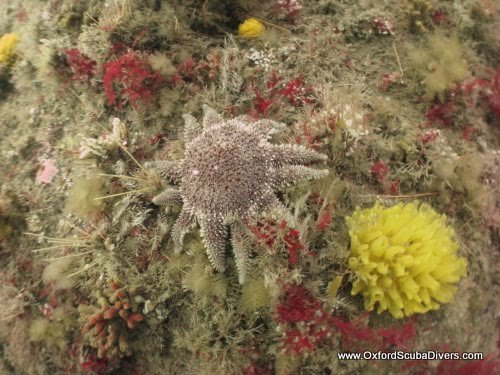
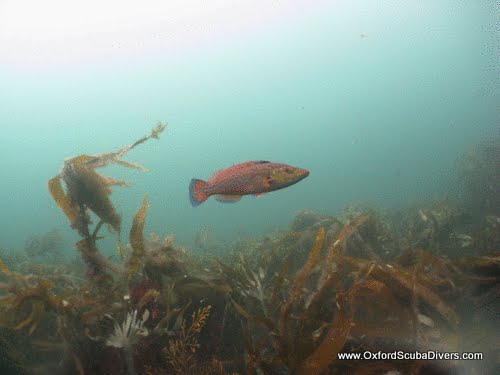
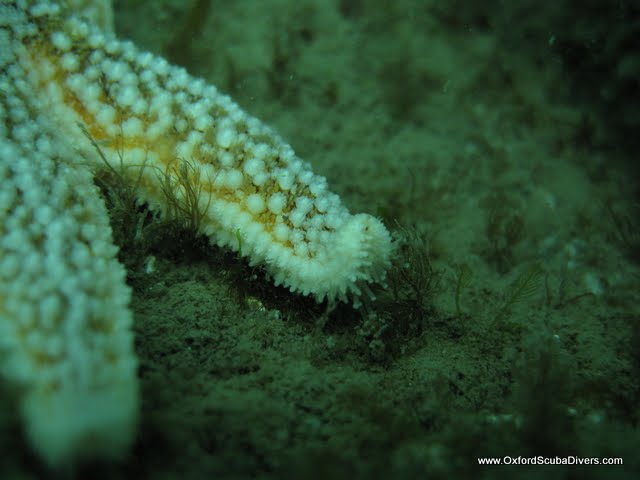
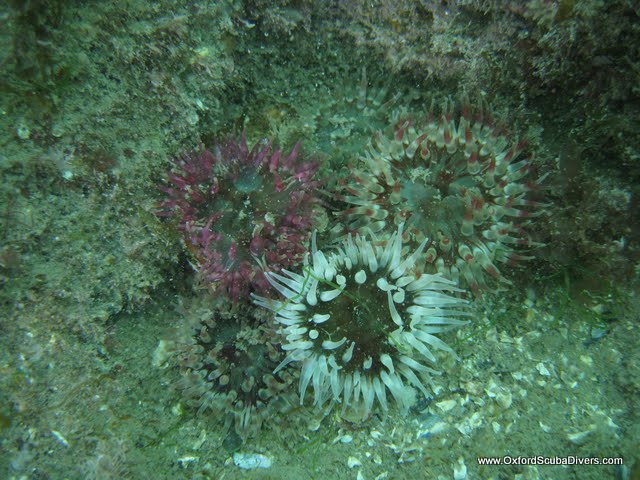
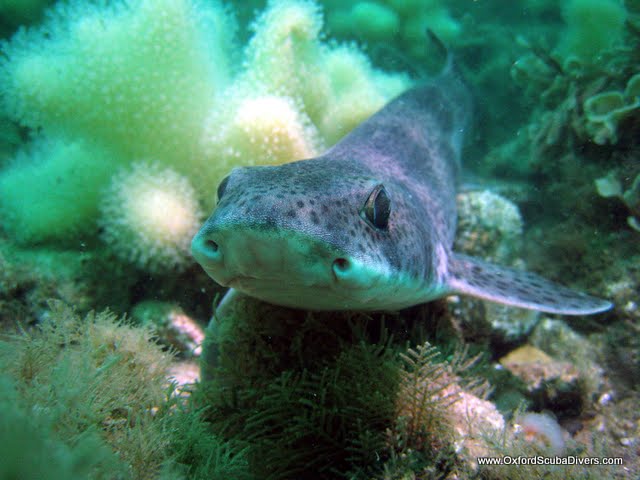
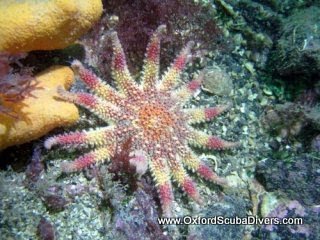
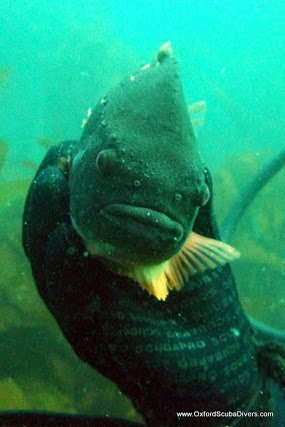
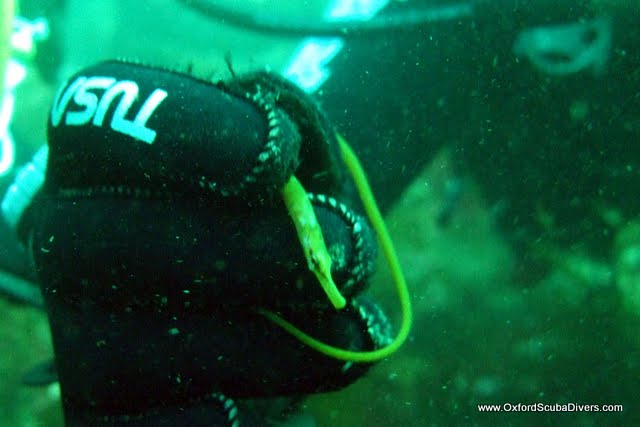
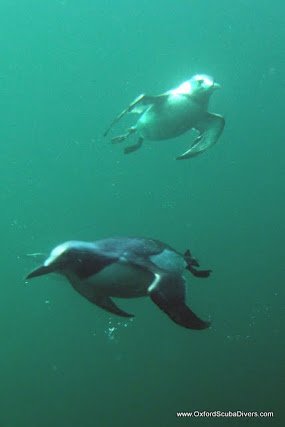
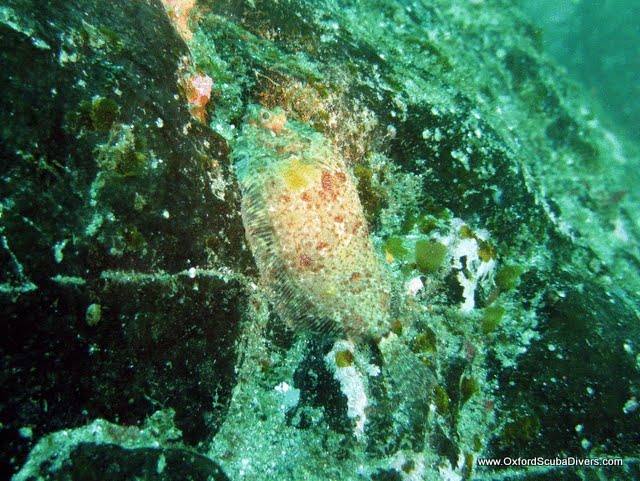
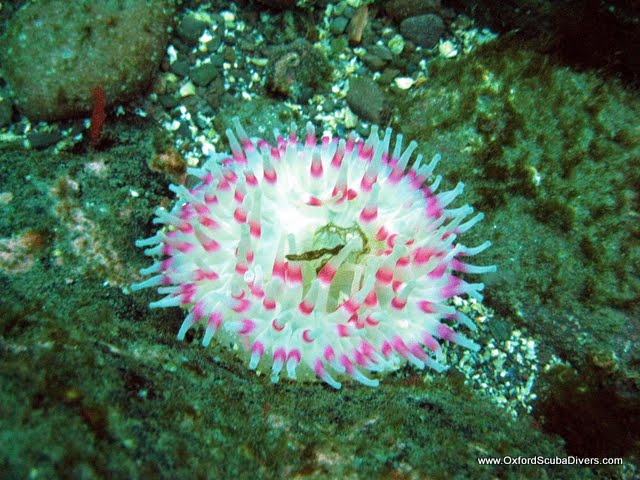
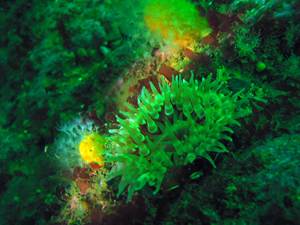 Marine life was very prolific – the dominant lifeform seemed to be a toss up between big Dhalia Anemones and Starfish – which were spotted having an orgy on the last dive of the week!